Darkness Hours and Viewing Opportunities in December
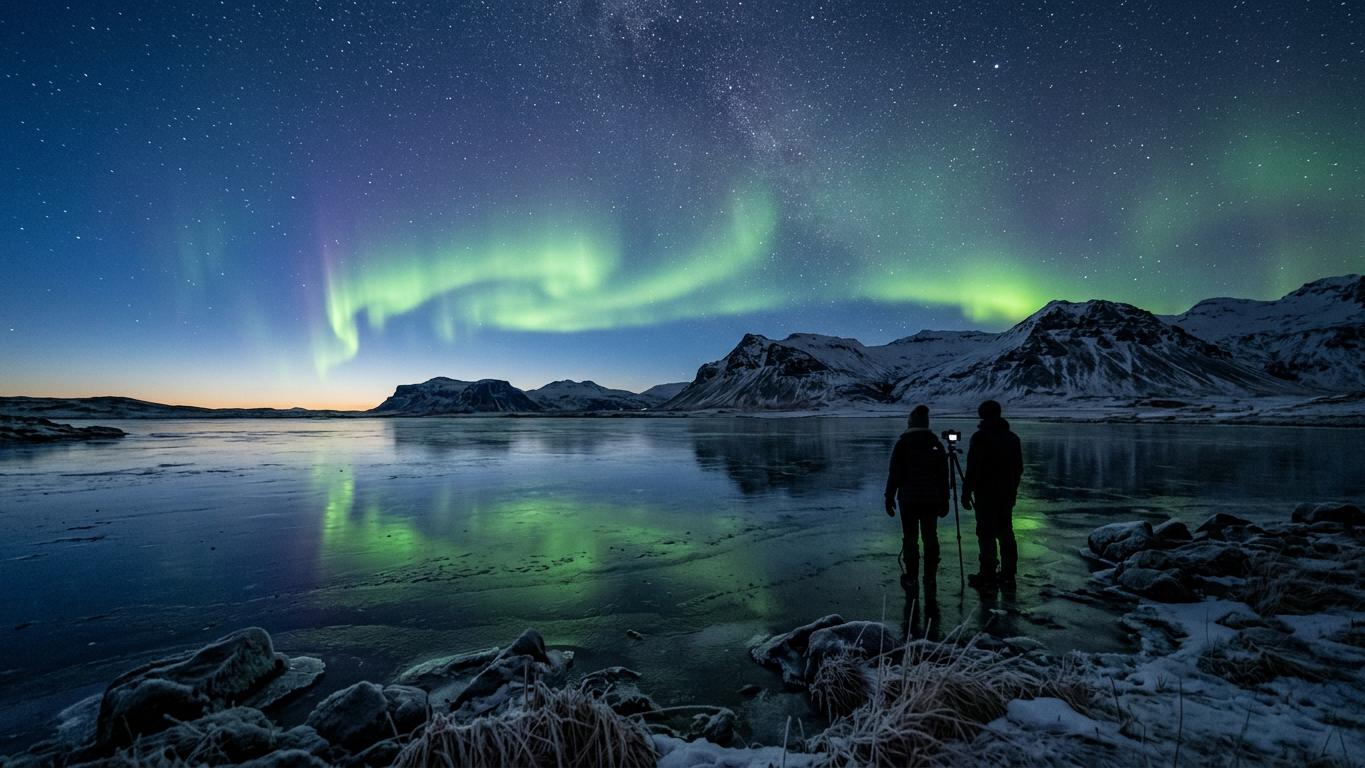
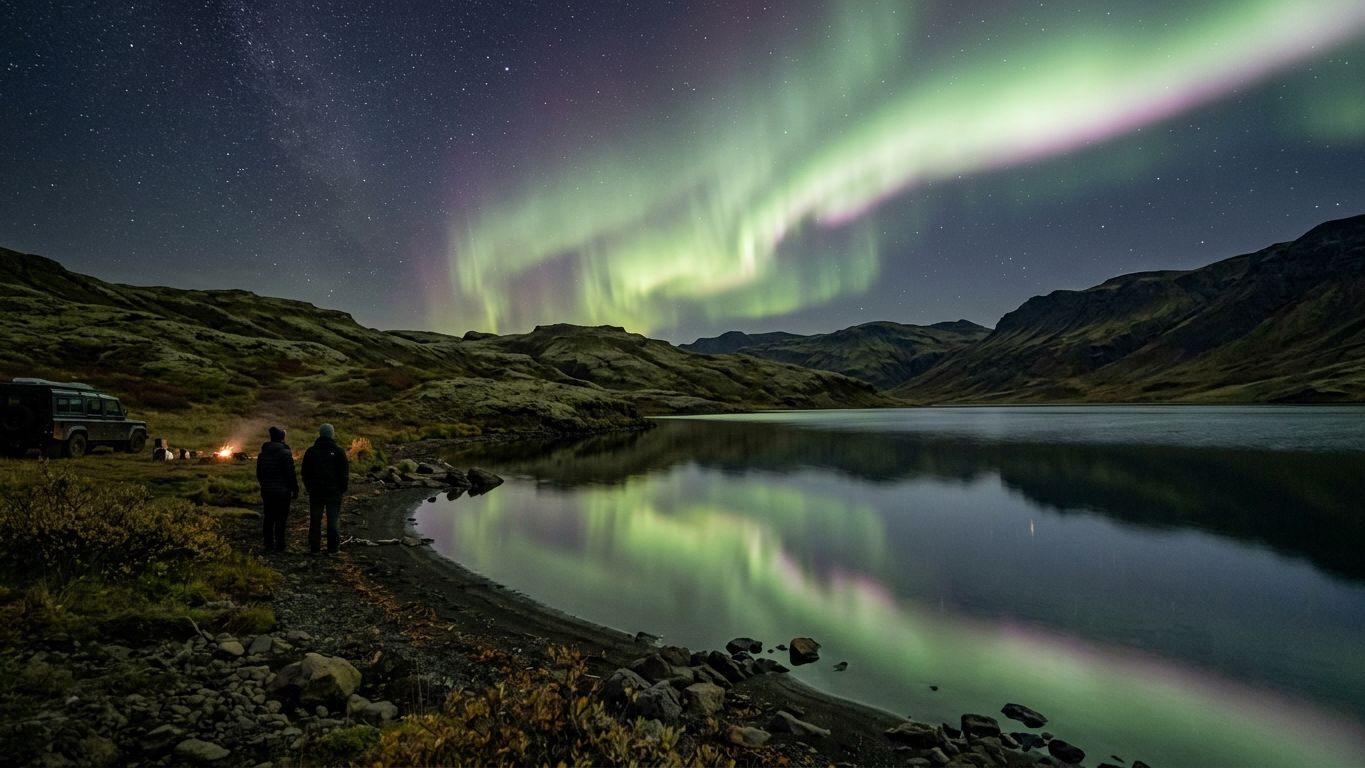
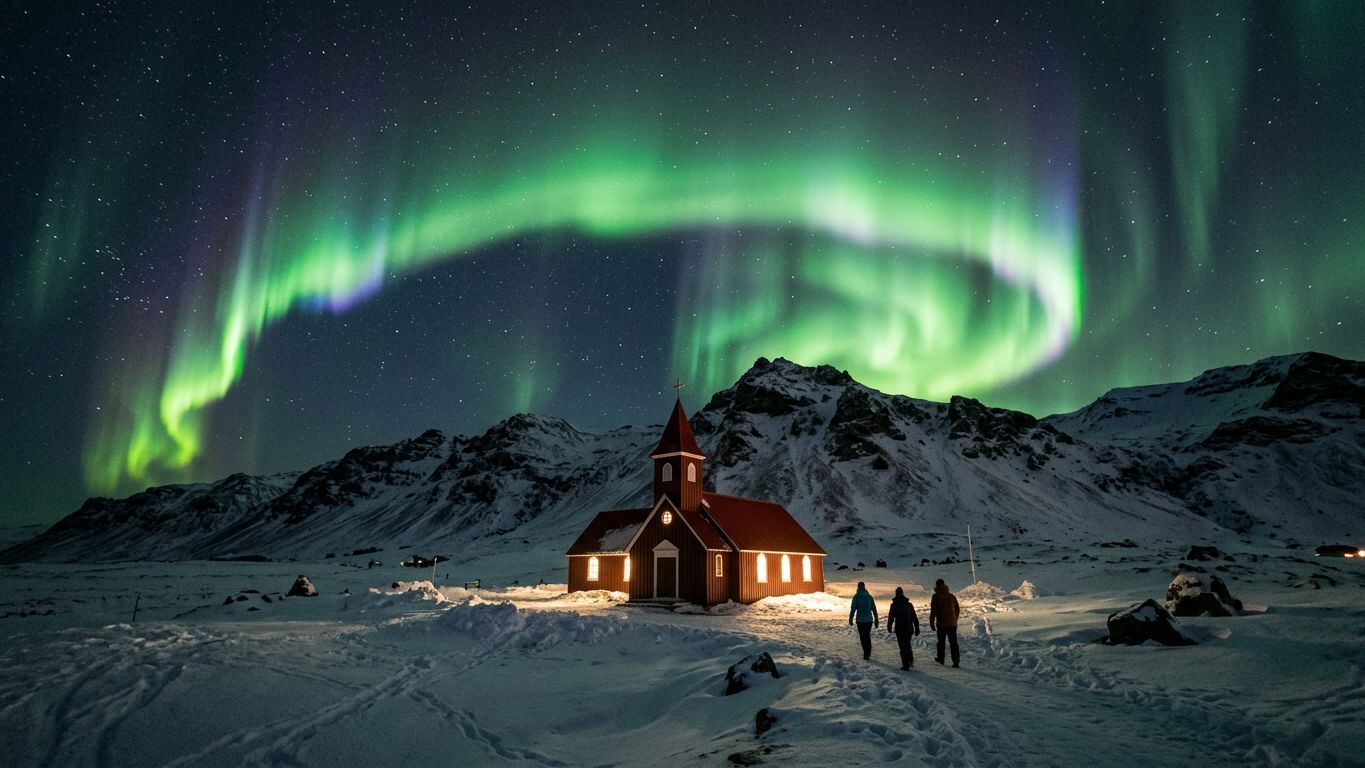
December offers exceptional darkness for northern lights viewing in Iceland. Sunrise arrives around 11:00-11:30 and sunset occurs between 15:30-16:00, giving you roughly 19-20 hours of potential aurora viewing time during the darkest days near the winter solstice on December 21st. This represents the absolute peak of darkness for the entire aurora season.
Civil twilight extends the usable viewing period even further. Tours typically depart between 19:00 and 22:00, though some operators run earlier departures to take advantage of the early nightfall. The extended darkness means you can also watch for auroras from your accommodation window or explore independently without rushing against dawn.
The aurora oval position remains favourable throughout December, with geomagnetic activity peaks often occurring between 22:00 and 02:00. Understanding the best time to see northern lights in Iceland helps you plan viewing sessions around both darkness hours and typical activity patterns.
December Weather and Conditions
December weather in Iceland is characterized by winter storms, frequent cloud cover, and highly variable conditions. Average temperatures in Reykjavik range from -3°C to 2°C, though wind chill often makes it feel considerably colder. Coastal areas experience milder temperatures than inland regions, but higher wind speeds.
Snow becomes common across most of Iceland during December, transforming the landscape and creating beautiful reflective surfaces for aurora photography. However, this also means increased cloud cover and storm systems moving through. Clear nights do occur, particularly during high-pressure systems, but flexibility is essential.
Wind speeds average 5-10 metres per second but can exceed 20 m/s during storms. Checking the aurora forecast and general weather conditions daily becomes crucial. Tours may be cancelled due to road conditions, strong winds, or complete cloud cover, with most operators offering rebooking or refunds in these situations.
December Northern Lights Tours from Reykjavik
More tours on GetYourGuideTour Options from Reykjavik in December
All major tour types operate throughout December, with some winter-specific advantages and considerations. Standard northern lights bus tours from Reykjavik remain the most budget-friendly option, typically visiting locations within 30-60 minutes of the city based on forecast conditions.
Super jeep northern lights tours gain significant appeal in December due to their ability to access snow-covered highland roads and reach more remote locations when conditions permit. The higher ground clearance and four-wheel-drive capability prove valuable on winter roads.
For a different perspective, northern lights boat tours from Reykjavik operate in December when sea conditions allow, offering escape from coastal light pollution and a unique viewing platform. Winter sailing includes warm indoor areas and often better stability than you might expect.
Combination tours like golden circle and northern lights tours maximize December's short daylight hours by covering major sights during the 4-5 hour daylight window before transitioning to aurora hunting after dark. Photography-focused tours particularly benefit from December's snow-covered landscapes and longer darkness for composition and camera settings practice.
What to Wear and Pack for December Aurora Tours
December requires full winter gear for comfortable aurora viewing. Base layers should include thermal underwear and wool or synthetic mid-layers. Your outer shell needs to be both waterproof and windproof, as standing still for extended periods in wind makes you colder than daytime activities.
Footwear demands special attention. Insulated, waterproof winter boots with good tread are essential, as you'll be walking on snow and potentially ice. Thick wool socks keep feet warm during long stationary viewing periods. Many visitors underestimate how cold feet become when standing still for 20-30 minutes at a time.
Accessories make a significant difference to comfort. Bring a warm wool or fleece hat that covers your ears, insulated gloves or mittens (mittens are warmer), and a scarf or buff to protect your face from wind. Hand and toe warmers provide backup heat during particularly cold nights. Tour operators sometimes provide blankets or warm overalls, but bring your own layers to ensure comfort.
December Daylight Activities and Events
December's limited daylight hours of roughly 4-5 hours don't prevent daytime exploration. The Golden Circle route remains accessible throughout winter, with Gullfoss waterfall often partially frozen and Thingvellir National Park covered in snow. Roads on the main route stay open and maintained, though driving times may extend slightly due to conditions.
Reykjavik transforms during December with Christmas markets, festive lights, and cultural events. The city's museums, restaurants, and indoor attractions suit the dark mornings perfectly. Many visitors structure their days around late starts, indoor activities during the brief daylight, and evening aurora tours.
Ice cave tours in Vatnajökull glacier become accessible in December, offering a spectacular daytime activity that pairs naturally with aurora viewing in the southeast. The Jokulsarlon glacier lagoon presents stunning winter scenery and good aurora viewing conditions, though it requires a 4-5 hour drive from Reykjavik. Multi-day tours that combine ice caves, glacier lagoons, and multiple aurora viewing nights make efficient use of December's darkness.
Aurora Chances and Forecast Reliability
December falls squarely within the prime aurora season, which runs from late August to mid-April. The solar cycle continues its influence on geomagnetic activity, measured by the KP index from 0 to 9. In December, auroras can appear at KP levels of 2 or higher, though stronger displays require KP 4 or above.
Cloud cover presents the main challenge rather than aurora activity itself. December experiences more frequent low-pressure systems than autumn months, resulting in increased cloudiness. However, the trade-off comes in extended darkness hours that allow operators to wait for cloud breaks or travel further to find clear skies.
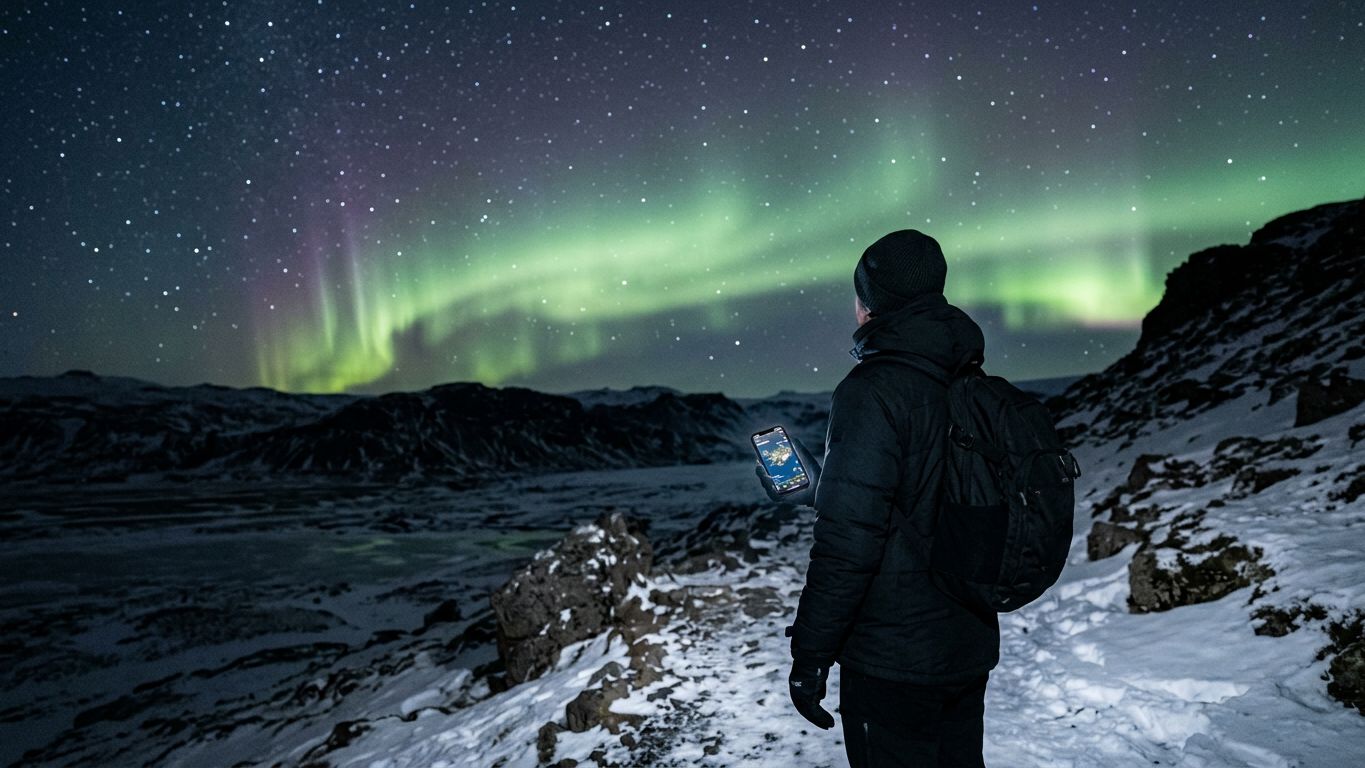
Following northern lights forecasts becomes a daily routine for serious aurora viewers. The Icelandic Met Office provides cloud cover maps and aurora forecasts updated regularly. Most tour operators monitor these forecasts and make go or no-go decisions a few hours before departure. The ability to see northern lights on any given December night sits around 30-40 percent on average, considering both cloud cover and geomagnetic activity, though this varies significantly based on weather patterns during your specific travel dates.
Locations and Accessibility in December
December snow and ice affect road access across Iceland. The Ring Road generally remains open, though sections may temporarily close during severe storms. Popular aurora viewing locations like Thingvellir National Park, about 45 minutes from Reykjavik, stay accessible throughout the month with proper winter vehicles.
The south coast route to Vik and beyond remains the most reliable winter touring area, with maintained roads and emergency services. Locations such as Seljalandsfoss and Skogafoss waterfalls offer dark-sky sites within 90-120 minutes of the capital. Tours adjust routes based on daily conditions, prioritizing safety and cloud forecasts over fixed itineraries.
Highland roads close completely by December and don't reopen until late spring. Some mountain passes and the Westfjords become inaccessible or inadvisable without specialized vehicles and local knowledge. This seasonal limitation concentrates tours along the south and west coasts, where infrastructure supports winter travel and aurora viewing sites remain within reach.
Frequently asked questions
Is December a good month to see the northern lights in Iceland?
December offers excellent northern lights viewing conditions in Iceland due to 19-20 hours of darkness around the winter solstice, allowing extended viewing windows. The main challenge is weather rather than darkness or aurora activity, as December brings frequent storms and cloud cover that can obstruct views. Successful viewing requires flexibility, forecast monitoring, and willingness to rebook tours if conditions are poor.
How cold does it get in Iceland in December during northern lights tours?
December temperatures in Iceland typically range from -3°C to 2°C in Reykjavik, though wind chill often makes it feel 5-10 degrees colder. Inland and elevated locations can drop to -10°C or below on clear nights, which are often the best for aurora viewing. You'll be standing relatively still for extended periods, so full winter gear including insulated boots, thermal layers, and wind protection is essential for comfort during tours that last 3-5 hours.
What time do northern lights tours leave in December in Iceland?
Most northern lights tours depart between 19:00 and 22:00 in December, with some operators offering earlier departures around 18:00 to take advantage of the early nightfall after sunset at 15:30-16:00. The extended darkness in December provides flexibility in departure times compared to autumn or spring. Tours typically return between 23:00 and 01:00 depending on distance travelled and viewing success.
Can you see the northern lights from Reykjavik city in December?
You can occasionally see stronger aurora displays from darker areas within Reykjavik in December, particularly during high geomagnetic activity with KP levels of 4 or above and clear skies. However, light pollution from the city significantly diminishes the experience compared to rural locations. Most tours travel 30-60 minutes outside the city to reach darker sites where fainter auroras become visible and displays appear more vibrant.
Do northern lights tours in Iceland get cancelled often in December due to weather?
December tours experience higher cancellation rates than autumn months due to increased storm activity, strong winds, and cloud cover that can make aurora viewing impossible. Cancellation rates vary by weather patterns but can reach 40-50 percent during stormy periods. Reputable operators offer free rebooking or refunds when tours are cancelled, and many provide free second attempts if you see no auroras due to clouds on the first tour.
What should I wear on a northern lights tour in Iceland in December?
Dress in thermal base layers, insulating mid-layers like wool or fleece, and waterproof windproof outer shells for December aurora tours. Insulated waterproof winter boots with good traction, thick wool socks, warm hat covering ears, insulated mittens, and face protection are essential. Bring hand and toe warmers as backup, since standing still for 20-30 minutes in wind and sub-zero temperatures requires more insulation than active daytime winter activities.
How much daylight is there in Iceland in December for sightseeing?
Iceland has approximately 4-5 hours of daylight in December, with sunrise around 11:00-11:30 and sunset between 15:30-16:00 near the winter solstice. This limited daylight window is sufficient for visiting major attractions like the Golden Circle, waterfalls along the south coast, or Reykjavik's museums and indoor attractions. Many visitors structure their days around late starts and indoor morning activities, making efficient use of midday light before evening aurora tours.
Are there any special Christmas events in Iceland in December to combine with northern lights viewing?
December features Christmas markets in Reykjavik, festive lighting displays, and cultural events throughout the month leading up to Christmas. Traditional Icelandic Yule Lads folklore adds cultural interest, with different characters appearing on the 13 nights before Christmas. Many visitors combine daytime festive activities and sightseeing with evening aurora tours, taking advantage of the long darkness and seasonal atmosphere unique to December in Iceland.