How Northern Lights Tours from Reykjavik Work
A typical northern lights tour Iceland Reykjavik departs between 20:00 and 21:00, lasts three to five hours, and includes pickup from your accommodation or a nearby bus stop in the city center. Most operators drive 30 to 90 minutes outside Reykjavik to reach areas with minimal light pollution, checking weather and aurora forecast conditions throughout the evening.
Tour companies monitor solar activity using the KP index (measured on a scale from 0 to 9) and cloud cover data from the Icelandic Met Office at vedur.is. If conditions deteriorate or the aurora remains invisible, most operators offer free rebooking for another night during your stay.
Group sizes range from 10 passengers in small vans to 50 or more on large coaches. Stops typically last 30 to 45 minutes at each location, giving you time to watch the sky, take photographs, and warm up with hot drinks that most companies provide.
The aurora borealis appears as green, white, pink, or purple light across the night sky, caused by charged particles from the sun colliding with Earth's atmosphere. Intensity varies from faint glows barely visible to the naked eye to strong displays that fill the horizon.
Types of Northern Lights Tours Available
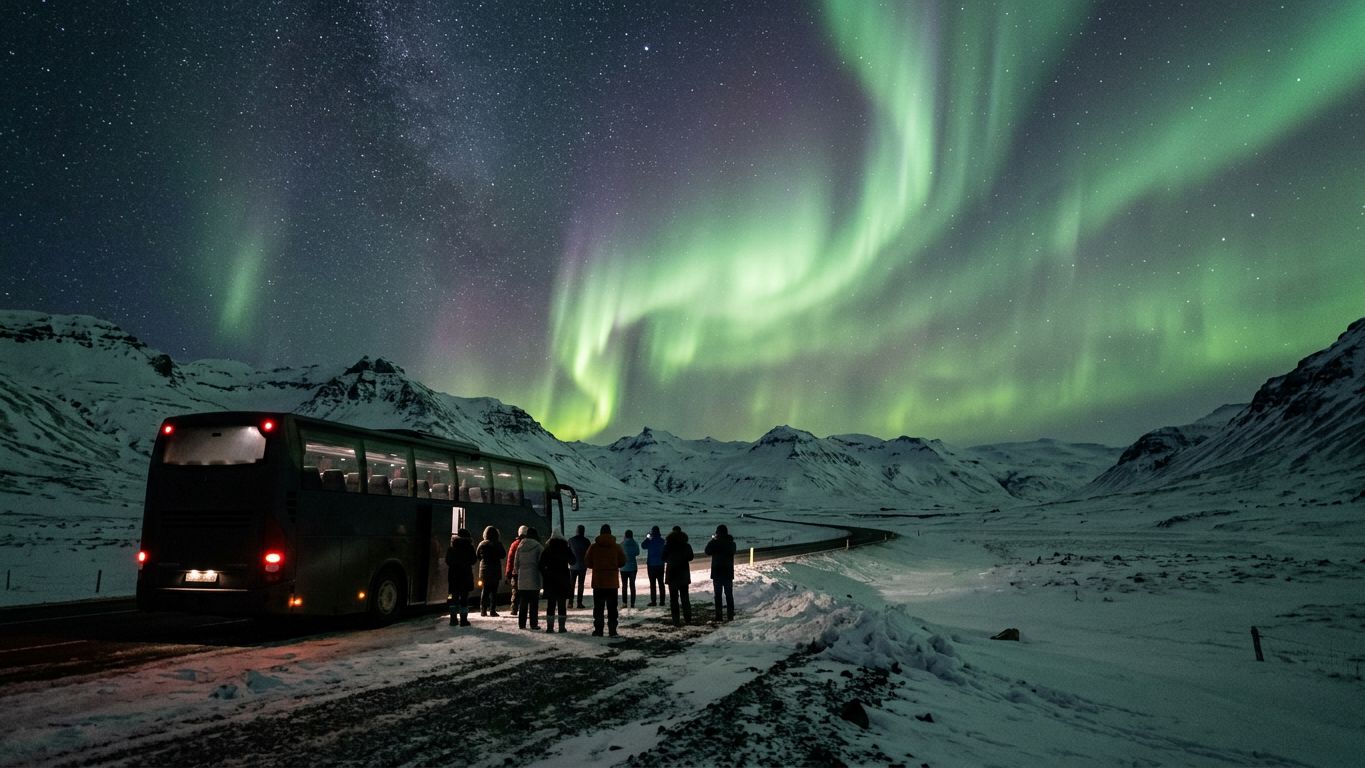
The most common option is a standard bus tour, which accommodates larger groups and represents the most budget-friendly choice. These coaches follow established routes to popular viewing spots and suit travelers who prioritize value over flexibility.
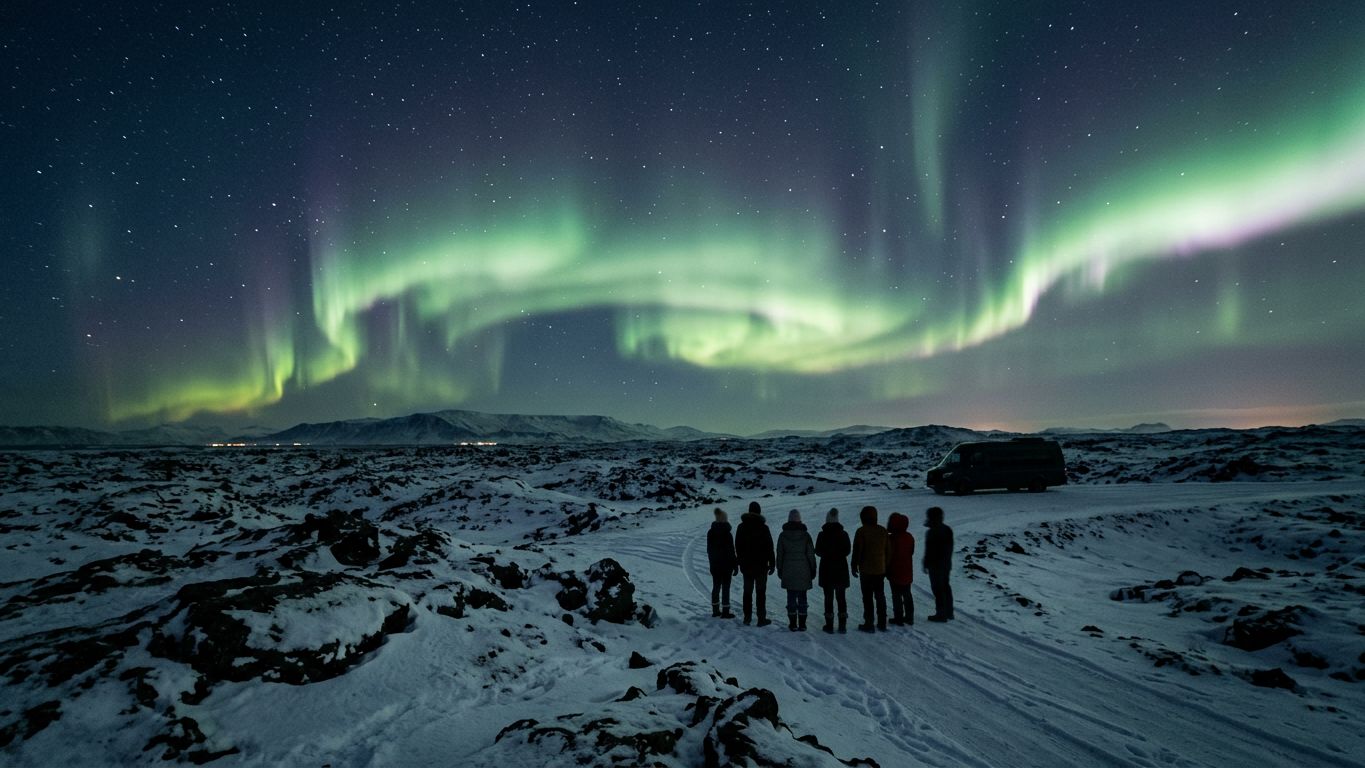
A super jeep tour uses modified 4x4 vehicles with raised suspension and oversized tires, allowing access to remote highland roads and beaches that remain off-limits to regular buses. Groups rarely exceed 10 passengers, and drivers can change destinations quickly based on real-time forecast updates.
For a completely different perspective, a boat tour from Reykjavik harbor takes you onto Faxaflói Bay, eliminating all terrestrial light pollution. These trips last about two to three hours and depart even when cloud cover affects land-based viewing.
Travelers who prefer smaller gatherings can book a small group tour capped at 8 to 15 people, while those seeking complete control over timing and locations choose a private tour with a dedicated guide and vehicle.
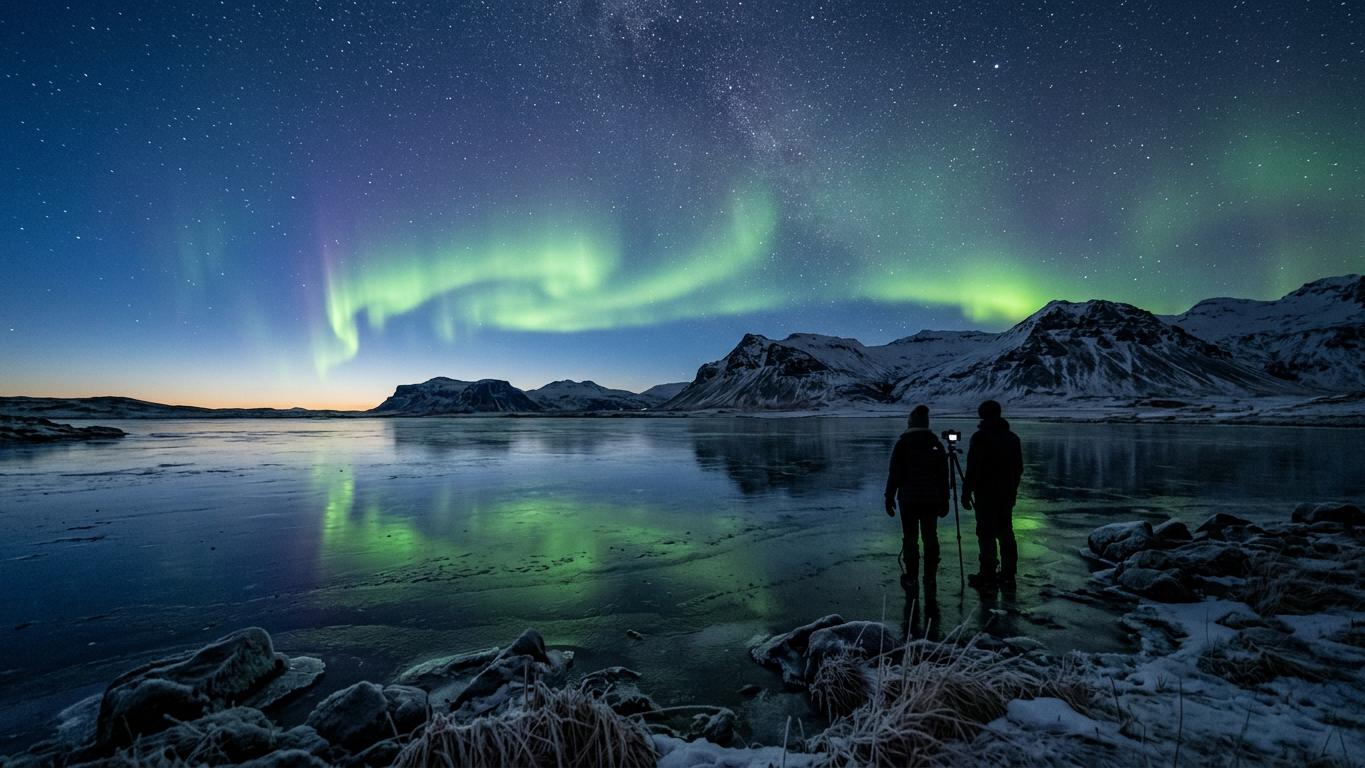
Serious photographers benefit from a specialized photography tour led by guides who understand camera settings, composition, and tripod techniques for capturing the aurora. These trips allocate more time at each stop and visit locations chosen for foreground interest.
Book Northern Lights Tours from Reykjavik
More tours on GetYourGuideCombination Tours and Multi-Day Options
Many visitors combine aurora hunting with daytime sightseeing by joining a day tour that visits the Golden Circle and continues into the evening for aurora viewing. This format covers Thingvellir National Park, Gullfoss waterfall, and Geysir geothermal area before heading to dark-sky locations after sunset.
Another popular pairing joins aurora hunting with geothermal bathing on a tour that includes hot springs or lagoons. You soak in warm water while watching the sky, then continue to additional viewing points.
If your schedule allows, a multi-day tour increases your chances significantly by including several evenings across different regions. These itineraries often circle the island or focus on the south coast, combining waterfalls, glaciers, and black sand beaches with nightly aurora searches.
Best Time to See Northern Lights in Iceland
The aurora borealis viewing season runs from late August through mid-April, when nights grow long enough for darkness to coincide with typical tour departure times. Peak months fall between September and March, when conditions offer the best balance of dark hours and manageable weather.
September and October feature milder temperatures and often clearer skies before winter storms arrive, though daylight hours remain relatively long early in autumn. November, December, and January bring the longest nights and coldest temperatures, with higher chances of snow and cloud cover.
February and March see improving weather patterns while maintaining sufficient darkness, and April offers the season's final opportunities before midnight sun conditions return. Solar activity follows an 11-year cycle, but strong displays can occur at any point when conditions align.
Where Tours Go from Reykjavik
Most operators head to locations within 30 to 90 minutes of the capital, adjusting routes each evening based on cloud forecasts. Thingvellir National Park lies about 45 minutes northeast and offers UNESCO World Heritage geology with almost no light pollution, making it a frequent destination.
The south coast route follows Route 1 past Selfoss and toward Vík, accessing beaches, waterfalls, and open farmland with unobstructed horizons. This area provides backup options if weather closes in around other regions.
Some super jeep tours venture to the Reykjanes Peninsula southwest of the city, visiting lava fields and coastal cliffs, or drive north toward Borgarfjörður. Premium multi-day itineraries reach Jökulsárlón glacier lagoon on the southeast coast, Kirkjufell mountain on Snæfellsnes Peninsula, or even Akureyri in the north.
While you can occasionally spot the aurora from within Reykjavik itself during strong displays, city lights diminish visibility significantly, which is why operators always leave the urban area.
What to Wear and Bring
Icelandic weather changes rapidly, and you will stand outdoors in the dark for extended periods, so layered clothing proves essential. Thermal base layers made from wool or synthetic materials trap body heat, while a windproof and waterproof outer shell protects against the elements.
Insulated winter boots with good traction prevent cold feet and slips on icy ground. Thick gloves, a warm hat covering your ears, and a scarf or neck gaiter complete the outfit. Even in September or April, temperatures drop significantly after sunset, especially in wind.
Most tour companies provide blankets or warm overalls if needed. Bring a headlamp or small flashlight to navigate safely in the dark without ruining your night vision or disturbing other passengers. If you plan to photograph the aurora, pack a tripod, spare batteries (which drain quickly in cold), and a basic understanding of manual camera settings.
How to Choose the Right Tour
Your decision depends on budget, group size preference, mobility, and photography goals. Budget-conscious travelers or those comfortable in larger groups find standard bus tours perfectly adequate, with experienced drivers who know the best viewing locations.
If you value flexibility and access to remote areas, super jeep tours justify their premium price through smaller groups and adaptive routing. Photographers should prioritize specialized tours led by guides who help with camera settings and choose locations for compositional elements like mountains, waterfalls, or churches.
Travelers prone to motion sickness or those seeking a unique vantage point appreciate boat tours, though these offer less mobility once on the water. Private tours suit families, couples celebrating special occasions, or anyone who prefers personalized attention and custom timing.
Check what each operator includes: some provide thermal suits, tripod use, or hot chocolate, while others keep prices lower by offering transportation and guiding only. Read cancellation and rebooking policies carefully, as weather can force last-minute changes.
Understanding Forecasts and Realistic Expectations
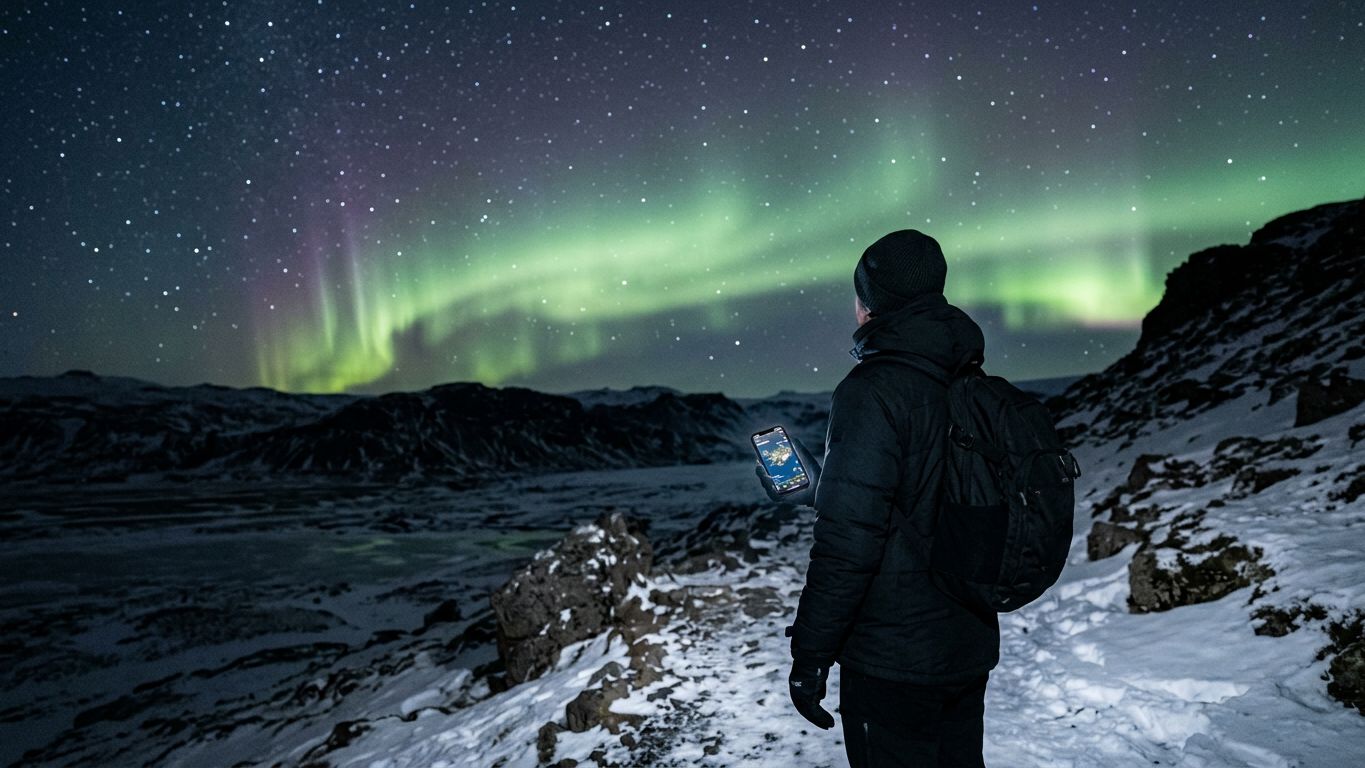
No tour operator can guarantee you will see the northern lights, as both solar activity and weather must cooperate simultaneously. The KP index measures geomagnetic activity, with 0 indicating no activity and 9 representing an extreme storm. In Iceland, displays become visible at KP 2 or 3 when skies are clear.
Cloud cover poses the greatest challenge, as even strong aurora activity remains invisible behind thick clouds. The Icelandic Met Office provides detailed cloud forecasts updated throughout the day, which guides use to choose driving directions. Clear skies in one region often coincide with overcast conditions elsewhere, explaining why operators may drive extensively.
Displays range from subtle green glows on the horizon to intense curtains that dance overhead. Your eyes perceive colors differently than cameras, so faint aurora may appear gray or white to you while showing vivid green in photographs. Patience proves essential, as activity strengthens and fades throughout the night.
If your first tour is clouded out, take advantage of rebooking policies. Staying in Iceland for at least three to four nights significantly improves your overall chances of experiencing at least one clear evening with visible aurora.
Booking Tips and Practical Advice
Tours from Reykjavik run every evening during the season and typically appear on booking platforms several months in advance. High-demand periods around Christmas, New Year, and February school holidays fill up quickly, so early booking secures your preferred tour type and date.
Most operators offer free cancellation up to 24 hours before departure, allowing you to adjust plans based on forecast updates. Some travelers book tours for their first evening in Iceland but maintain flexibility to reschedule if jet lag or weather interferes.
Pickup times vary by location within Reykjavik's city center, with designated bus stops serving multiple hotels. Expect to wait 10 to 15 minutes at your assigned stop, as drivers collect passengers across the city. This process adds time to the overall trip duration.
If you plan to explore Iceland beyond Reykjavik, consider joining a Golden Circle day tour before your evening aurora hunt, maximizing your time and covering the country's most famous sights. For more detailed answers to common questions, visit the frequently asked questions page.
Frequently asked questions
How much does a northern lights tour from Reykjavik cost and what is included in the price?
Budget bus tours start at the lower end of the price spectrum, mid-range small group and super jeep tours sit in the middle, and private or specialized photography tours command premium rates. Most prices include pickup and drop-off from Reykjavik accommodations, an experienced guide, and a free rebooking if the aurora does not appear. Some operators provide thermal suits, hot drinks, or photography assistance as part of the package, while others charge separately for these extras.
What happens if I don't see the northern lights on my tour from Reykjavik?
Most tour operators offer a free rebooking for another night during your stay if the aurora remains invisible due to clouds or low solar activity. You need to check the specific cancellation and rebooking policy when you book, as terms vary between companies. This policy only applies if you genuinely do not see the lights, not if the display is faint or brief.
Can I see the northern lights from Reykjavik city center or do I need to take a tour?
Strong aurora displays occasionally become visible from darker parks and coastal areas within Reykjavik, but city lights significantly reduce visibility and color intensity. Tours drive 30 to 90 minutes outside the capital to reach areas with minimal light pollution, which dramatically improves your chances of seeing vivid displays. If you only have one or two nights in Iceland, joining a tour maximizes your opportunity.
What is the best month to take a northern lights tour from Reykjavik?
The season runs from late August through mid-April, with September, October, February, and March often offering the best combination of dark nights and relatively stable weather. December and January provide the longest darkness but bring more frequent storms and cloud cover. Your chances depend more on checking the short-term forecast for clear skies than on choosing a specific month, so plan flexibility into your itinerary.
How long do northern lights tours from Reykjavik last and what time do they return?
Most tours depart between 20:00 and 21:00 and last three to five hours, returning to Reykjavik between 23:00 and 02:00 depending on driving distances and aurora activity. Operators may extend the trip if conditions improve later in the evening or return earlier if weather deteriorates. You should plan for a late night and avoid booking early morning activities the following day.
Should I book a bus tour or a super jeep northern lights tour from Reykjavik?
Standard bus tours work well for budget-conscious travelers who don't mind larger groups and paved-road destinations, while super jeep tours offer smaller groups, access to remote locations, and greater flexibility to chase clear skies. If you have limited mobility or prefer more comfort, buses provide easier access and more space. Photographers and those seeking a more personalized experience typically prefer the super jeep option despite the higher cost.
Do I need to bring my own camera equipment on a northern lights tour from Reykjavik?
You can enjoy the aurora with just your eyes or a smartphone, though cameras with manual settings capture much better images. If you own a DSLR or mirrorless camera, bring it along with a sturdy tripod and spare batteries, as cold weather drains power quickly. Some specialized photography tours provide tripods and detailed instruction, while standard tours assume you bring your own equipment or simply watch without photographing.
Are northern lights tours from Reykjavik suitable for children and elderly travelers?
Most tours accommodate all ages, but consider that trips involve standing outside in cold, dark conditions for extended periods and may not return until after midnight. Young children may struggle with the late hours and cold, while elderly travelers should assess their comfort with uneven terrain at viewing locations. Private tours offer more flexibility for families, allowing you to adjust timing and duration to suit everyone's needs.