Hours of Darkness and Viewing Windows in October
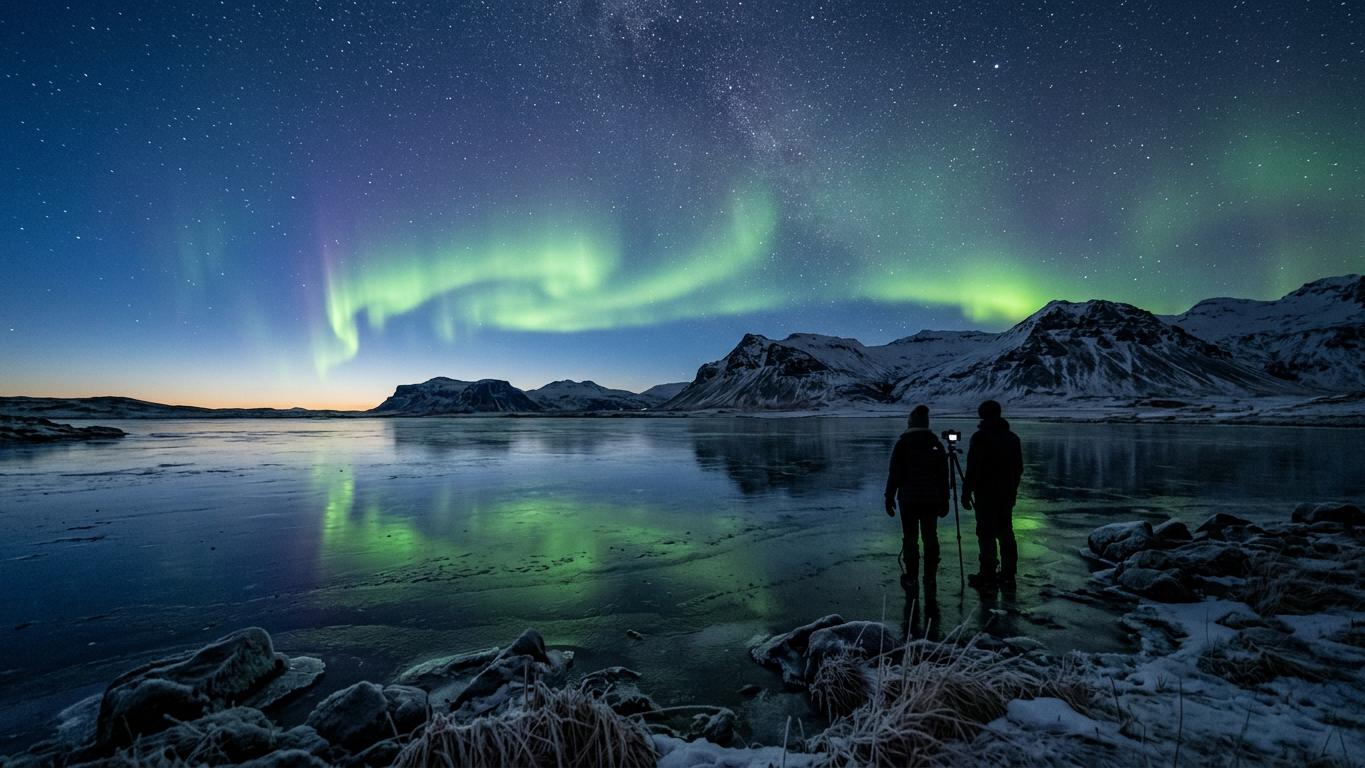
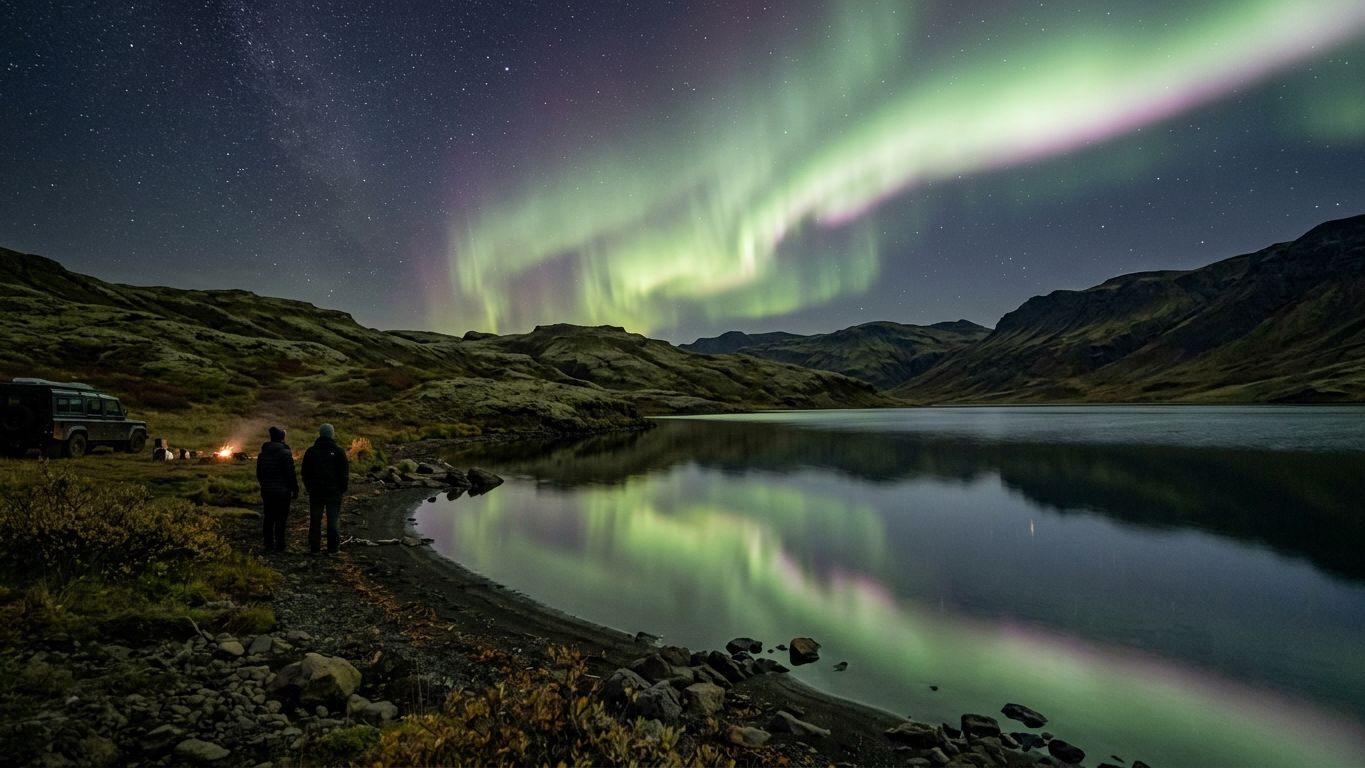
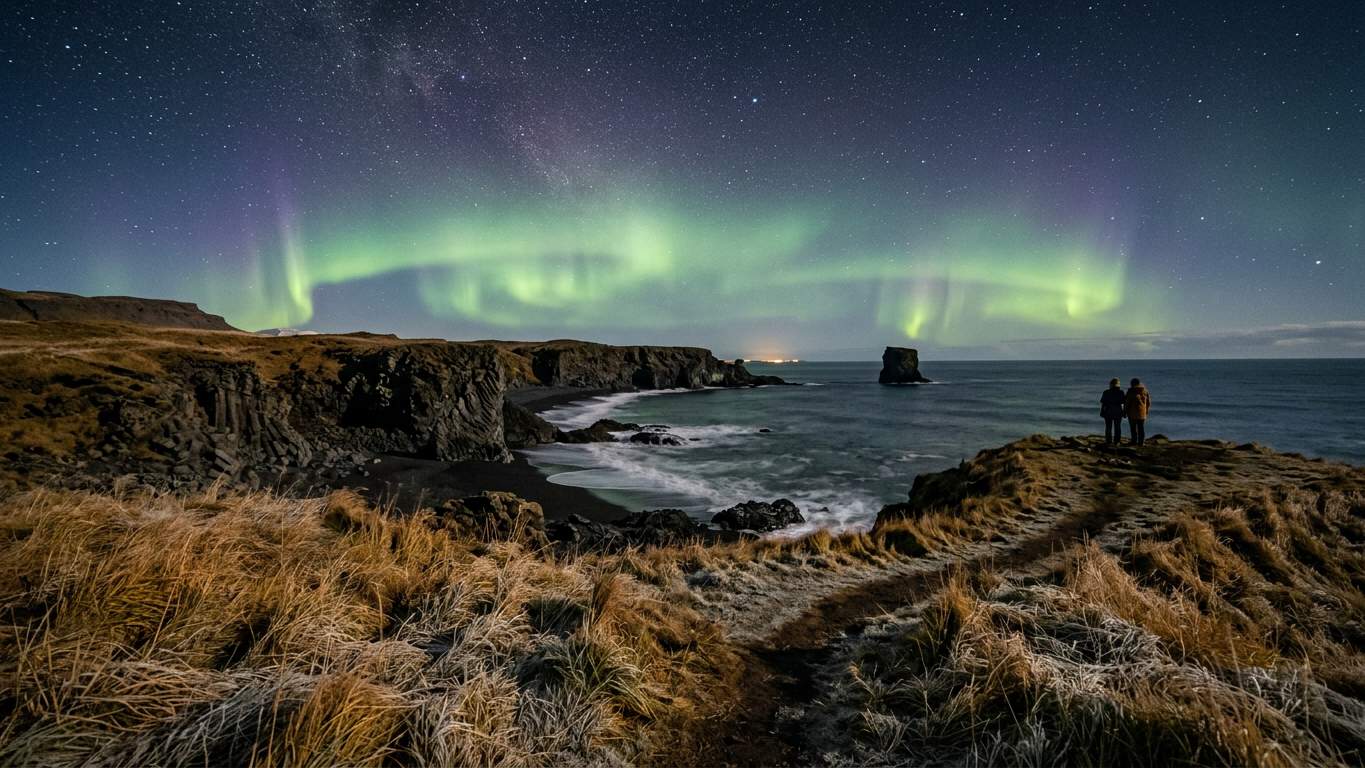
October delivers rapidly lengthening nights across Iceland, creating excellent conditions for aurora hunting. At the start of the month, darkness falls around 20:00 and sunrise arrives near 07:30, giving you roughly 11 hours of darkness. By month's end, those hours stretch to nearly 15 as sunset moves to 18:00 and sunrise shifts past 09:00.
Most northern lights bus tours from Reykjavik depart between 20:00 and 21:00 in early October, then gradually shift to 19:00 or earlier as the month progresses. The extra darkness means tours can venture further from the city while still returning at a reasonable hour, opening up destinations like Thingvellir National Park and the Reykjanes Peninsula for evening excursions.
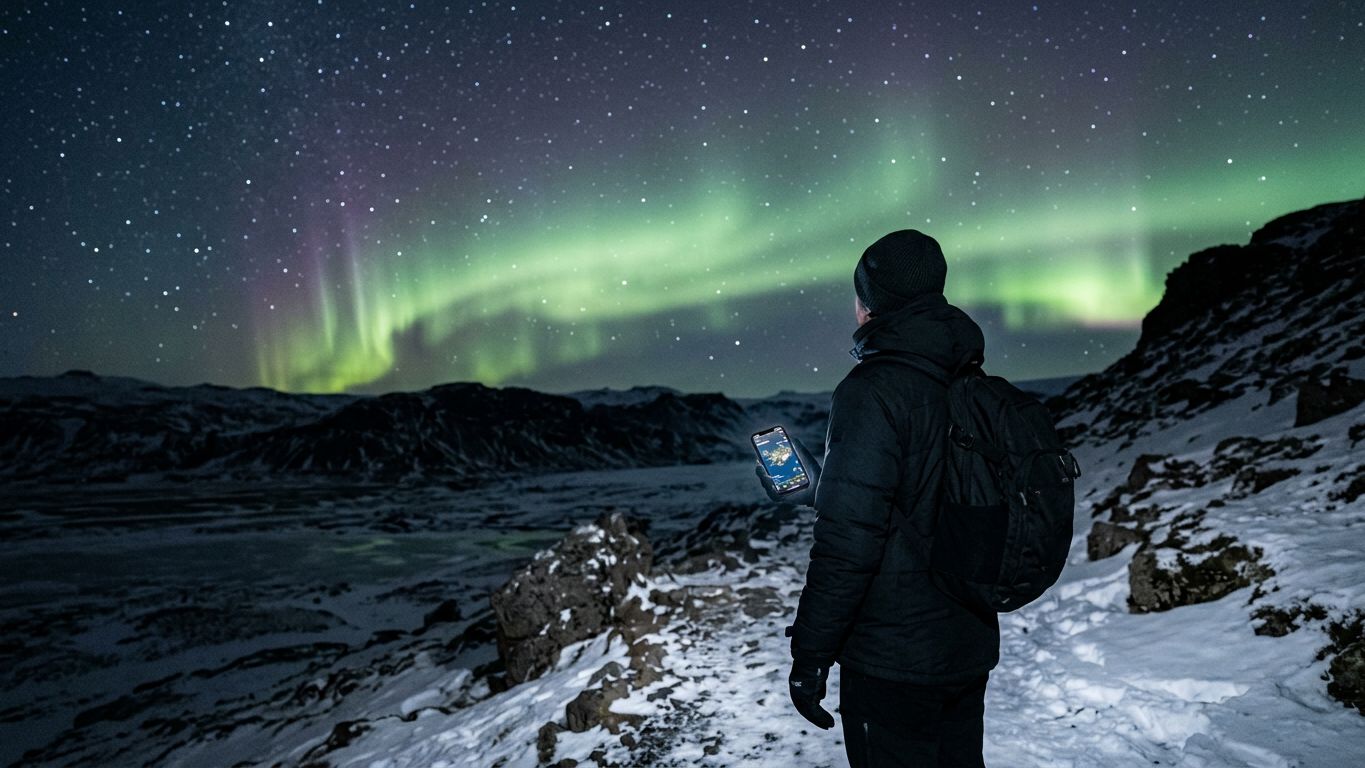
Peak viewing typically occurs between 22:00 and 02:00 when geomagnetic activity is strongest, though displays can appear any time after full darkness. You can monitor real-time conditions through the Icelandic Met Office aurora forecast, which updates cloud cover and KP index predictions throughout the day.
Weather Patterns and Aurora Chances
October weather in Iceland sits between the relatively stable autumn and stormier winter months. Average temperatures in Reykjavik range from 3°C to 8°C, though coastal areas experience milder conditions than inland regions. Rain falls frequently, with Reykjavik receiving precipitation roughly 20 days per month, but extended clear spells do occur.
Cloud cover is the primary challenge for aurora viewing in October. The northern lights forecast for Iceland combines cloud predictions with aurora activity levels to identify the best viewing windows. Clear skies appear more frequently in northern regions and the Reykjanes Peninsula compared to the south coast, where moisture from the Atlantic often brings overcast conditions.
Geomagnetic activity in October typically produces KP index levels between 2 and 4, sufficient for visible auroras across much of Iceland. Higher KP values make displays brighter and more dynamic, while even KP 1 or 2 can produce visible curtains on very dark, clear nights away from light pollution.
Book October Northern Lights Tours
More tours on GetYourGuideWhat to Wear for October Aurora Tours
October requires full winter layering for evening tours, even though daytime temperatures may feel mild. Temperatures drop significantly after sunset, and standing still while watching the aurora makes you feel colder than daytime activities.
Your base layer should be thermal underwear (top and bottom) made from merino wool or synthetic materials. Add a fleece or wool mid-layer, then a windproof and waterproof outer jacket and trousers. Wind chill along the coast and exposed inland areas can make 5°C feel much colder.
Footwear matters enormously. Insulated, waterproof boots with good traction handle wet grass, mud, and occasional early-season snow or ice. Bring a warm hat that covers your ears, a scarf or neck gaiter, and insulated gloves. Many visitors underestimate how cold they'll get standing outside for 30-60 minutes at a viewing spot.
October Events and Daytime Activities
October in Iceland combines aurora hunting with diverse daytime activities. The Golden Circle tour route remains accessible and less crowded than summer, allowing you to visit Thingvellir, Geysir, and Gullfoss with shorter queues and dramatic autumn colours on the surrounding hillsides.
Iceland Airwaves music festival takes place in early November, but October sees various cultural events in Reykjavik including theatre performances and art exhibitions. The sheep roundup (réttir) occurs in September and early October in rural areas, marking the transition from farming season to winter.
Whale watching continues from Reykjavik and Akureyri through October, with humpback and minke whales still feeding in Icelandic waters before migration. Some operators offer northern lights boat tours from Reykjavik that combine evening whale watching with aurora viewing, though success rates for both depend heavily on conditions.
Hiking remains viable in October on lower-elevation trails, though highland roads close by mid-month. The south coast of Iceland offers waterfalls, black sand beaches, and glacier views during the day, then serves as an aurora viewing destination after dark.
Northern Lights Tours Operating in October
October sees full tour schedules with all tour types running nightly from Reykjavik, weather permitting. Standard northern lights tours from Reykjavik accommodate 19-50 passengers on comfortable coaches, departing around 20:00 and lasting 4-5 hours. Most operators include hotel pickup from central Reykjavik, warm drinks, and flexibility to chase clear skies.
Budget tours focus on reaching dark locations efficiently, typically visiting one or two predetermined spots on the Reykjanes Peninsula or near Thingvellir. Mid-range tours offer smaller groups, sometimes branded as small group northern lights tours from Reykjavik, with 10-19 passengers and more personalized guidance.
Premium options include super jeep northern lights tours that access rougher roads and more remote locations, and private northern lights tours from Reykjavik with dedicated vehicles and flexible itineraries. Northern lights photography tours in Iceland provide tripods, camera settings assistance, and longer stops for capturing the aurora.
Combination tours gain popularity in October when daylight hours still allow meaningful sightseeing. Golden Circle and northern lights tours pack both experiences into extended 12-14 hour days, while northern lights and hot springs tours pair aurora hunting with soaks in geothermal pools.
Comparing October to Other Months
October sits in the sweet spot between September and November for aurora viewing. Compared to northern lights in Iceland in September, October offers significantly more darkness (up to 15 hours versus 12) and slightly cooler, more stable weather patterns that can bring longer clear spells.
Northern lights in Iceland in November provides even more darkness (16-18 hours) but brings more frequent storms, road closures, and challenging driving conditions. October roads remain mostly open and accessible, including highland routes in early October before seasonal closures.
The autumn shoulder season means accommodation and tour prices sit below winter peak rates, and popular sites experience lighter crowds. October balances accessibility, darkness, and reasonable weather better than any month until northern lights season in Iceland in March, when spring brings returning daylight but more stable conditions.
Frequently asked questions
What are the chances of seeing the northern lights in Iceland in October?
October offers good chances of seeing aurora borealis in Iceland, with long dark nights (11-15 hours) and geomagnetic activity typically reaching KP 2-4. Cloud cover remains the main challenge, occurring roughly two-thirds of the time, so flexible schedules and willingness to chase clear skies improve success rates significantly. Most visitors staying 4-5 nights see at least one display if they actively hunt on clear evenings.
Is October a good month to visit Iceland for northern lights and other activities?
October is one of the best months to visit Iceland for combining aurora viewing with daytime activities. Roads remain mostly open, weather is milder than deep winter, and you get substantial darkness for aurora hunting while still having daylight for sightseeing. Crowds thin out compared to summer, and prices sit below winter peak levels.
What is the temperature in Iceland in October at night for northern lights tours?
Night temperatures in Iceland during October typically range from 0°C to 6°C in coastal areas like Reykjavik, with colder conditions inland and at higher elevations. Wind chill makes it feel significantly colder, especially on the coast and in exposed locations. Full winter clothing including thermal layers, waterproof outer gear, insulated boots, and warm accessories is essential for standing outside during tours.
How many hours of darkness does Iceland have in October for aurora viewing?
Iceland has between 11 and 15 hours of darkness in October, depending on the date. Early October sees darkness from roughly 20:00 to 07:30, while late October extends from about 18:00 to 09:00. This increasing darkness creates excellent conditions for northern lights tours, which typically operate between 19:00 and 02:00.
Do I need to book northern lights tours in Iceland in advance for October?
Booking 2-4 weeks in advance is recommended for October, especially for smaller group tours, super jeep experiences, and photography-focused tours which have limited capacity. Standard bus tours have more availability and can sometimes be booked 1-3 days ahead, though popular dates around Icelandic holidays may fill earlier.
Can you see the northern lights from Reykjavik in October or do you need to take a tour?
You can see northern lights from darker areas of Reykjavik in October when aurora activity is strong (KP 3+) and skies are clear, particularly from the Grotta lighthouse area or Öskjuhlíð hill. However, tours travel to locations with darker skies and more flexible positioning to chase clear weather, significantly improving your chances of witnessing a strong display compared to staying in the city.
What should I pack for a northern lights tour in Iceland in October?
Pack thermal base layers (top and bottom), fleece or wool mid-layer, waterproof and windproof jacket and trousers, insulated waterproof boots, warm hat, scarf or neck gaiter, and insulated gloves. Bring hand warmers, a thermos with hot drinks, and a headlamp with red light mode for navigating in darkness. Camera users should pack extra batteries, as cold temperatures drain them quickly.
Are the roads safe in Iceland in October for northern lights tours?
Most main roads in Iceland remain safe and accessible in October, including routes to popular aurora viewing spots near Reykjavik, Thingvellir, and the south coast. Highland roads close by mid-October due to winter conditions. Tour operators monitor weather and road conditions closely, cancelling or rerouting when necessary for safety, and vehicles are equipped for autumn conditions with appropriate tires and equipment.