The Three Main Stops on Every Golden Circle Tour Iceland Route
Thingvellir National Park lies about 45 minutes northeast of Reykjavik and forms the first major stop on most tours. The site combines geological significance as the visible rift between the North American and Eurasian tectonic plates with historical importance as Iceland's original parliament site from 930 AD. The park covers roughly 240 square kilometres and sits at an elevation of about 100 metres above sea level. Most tours allocate 45 to 60 minutes here for walking between the cliffs and viewing the Oxara river. Thingvellir National Park also offers excellent conditions for aurora viewing during winter months due to minimal light pollution.
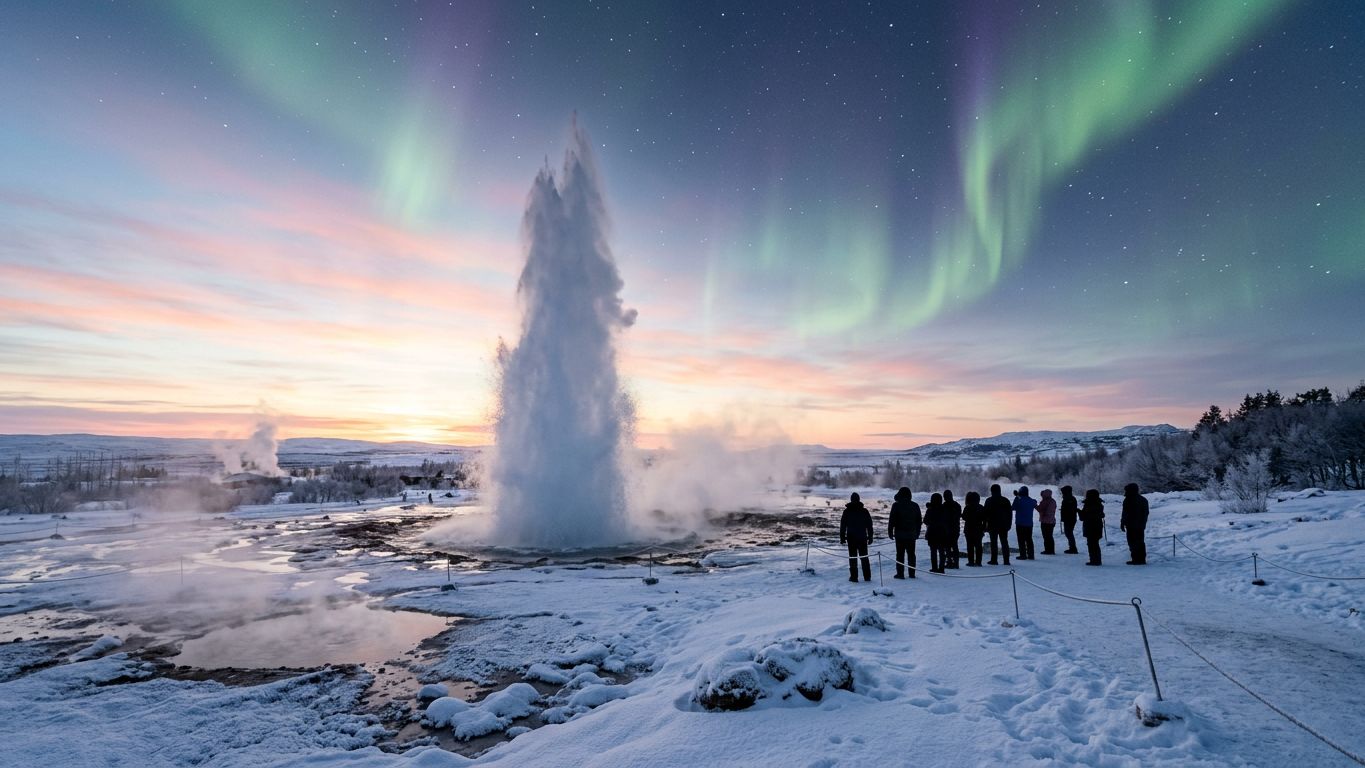
The Geysir geothermal area sits approximately 60 kilometres from Thingvellir and contains the dormant Great Geysir that gave all geysers their name, plus the active Strokkur geyser. Strokkur erupts every 5 to 10 minutes, sending boiling water 15 to 30 metres into the air. The area includes bubbling mud pools, steam vents, and colourful mineral deposits across a landscape shaped by underground volcanic activity. Tours typically allow 30 to 45 minutes to walk the marked paths and wait for multiple eruptions.
Gullfoss waterfall completes the classic trio about 10 kilometres from Geysir. The Hvita river drops 32 metres in two stages into a narrow canyon, creating a powerful cascade visible and audible from several viewing platforms. Flow rates vary dramatically between winter and summer, with peak meltwater in warmer months producing the most dramatic display. The waterfall sits at roughly 100 metres elevation and remains accessible year-round, though winter conditions often coat the pathways and railings in ice.
Additional Stops and Common Add-Ons
Kerid crater appears on many extended tours as a fourth stop. This volcanic crater measures about 55 metres deep and 170 metres wide, with steep red and black slopes surrounding a blue-green lake at the bottom. The crater formed approximately 3,000 years ago and lies along the route between the main Golden Circle sites and Reykjavik. Most operators include a short walk around the rim when time permits.
The Secret Lagoon near Fludir offers a geothermal bathing option on combination tours. The pool maintains a steady 38 to 40 degrees Celsius year-round and represents one of Iceland's oldest swimming spots, dating back to 1891. Tours combining the Golden Circle with this lagoon typically run longer than standard day trips, usually 8 to 9 hours total.
Fridheimar greenhouse provides a lunch stop on some itineraries. The family-run operation grows tomatoes year-round using geothermal heat and serves meals built around their harvest. Tours including this stop focus on sustainable farming practices unique to Iceland's geothermal resources.
Snowmobile excursions on Langjokull glacier create premium add-ons during winter and spring. These extensions add 2 to 3 hours to a standard tour and require separate equipment and guides. The glacier sits roughly 50 kilometres north of Gullfoss and reaches elevations above 1,000 metres.
Book Golden Circle Tours from Reykjavik
More tours on GetYourGuideTour Types: Bus, Small Group, and Private Options
Large coach tours carry 40 to 50 passengers and represent the most budget-friendly option. These tours follow fixed schedules with set time allocations at each stop, typically 6 to 7 hours total including hotel pickup. Pickup times start early, often between 8:00 and 9:00, as the coach makes multiple stops across Reykjavik before departing the city. Commentary usually comes through audio guides in multiple languages or live narration from the driver.
Small group tours limit capacity to 15 to 19 passengers in minibuses. These tours follow similar routes but offer more flexibility with timing and occasionally visit less crowded viewpoints. Guides provide live commentary and can adjust pace based on group interests. Pickup logistics work the same way as coach tours but take less time given the smaller passenger count.
Private tours use cars or minivans for your group only. This format allows completely flexible departure times, customised itineraries, and the ability to spend more or less time at each location. Private tours cost significantly more per person but work well for families, photographers, or travellers with specific interests. Some private options combine the Golden Circle with locations not typically included on group tours.
Winter Versus Summer Conditions
Summer tours from May through September benefit from long daylight hours and fully accessible roads. All sites remain snow-free, pathways are clear, and visibility usually extends for kilometres. Summer also brings peak tourist numbers, meaning larger crowds at popular viewpoints, particularly at Geysir and Gullfoss between 11:00 and 15:00.
Winter tours from October through April encounter shorter days, with December and January offering only 4 to 5 hours of daylight. Snow and ice cover the landscape and pathways require careful walking, though all main Golden Circle sites maintain winter access and infrastructure. Tours sometimes run slightly shorter routes in severe weather. The advantage lies in smaller crowds and dramatic scenery with snow-covered mountains and frozen waterfalls. Combined Golden Circle and northern lights tours operate during winter, taking advantage of the dark evening hours after visiting the daytime sites.
Spring and autumn represent shoulder seasons with moderate weather and tourist numbers. September still offers reasonable daylight hours and often clear conditions, while aurora season begins in late August for early visitors. March provides a balance between winter scenery and improving weather as daylight hours increase.
Typical Tour Duration and Schedule
Standard Golden Circle tours run 6 to 7 hours from first pickup to final drop-off in Reykjavik. Hotel pickups typically begin 30 to 45 minutes before departure from the main terminal, depending on your accommodation's location. Tours visit Thingvellir first, then Geysir, then Gullfoss, before returning to the capital. Some operators reverse this order to avoid crowds by reaching the most popular sites earlier or later than average.
Extended tours including Kerid crater, the Secret Lagoon, or Fridheimar run 8 to 10 hours total. Snowmobile combinations or other adventure add-ons push total duration to 10 to 12 hours. Most tours include one designated stop for lunch, either at Geysir's visitor centre, Gullfoss café, or a restaurant along the route. Lunch is typically not included in the tour price.
Departure times vary by operator and season, with most tours leaving between 8:00 and 9:30. Winter tours must compress sightseeing into daylight hours, so morning departures are standard. Summer tours sometimes offer afternoon departures given the extended daylight.
What to Bring and Expect
Weather in Iceland changes rapidly regardless of season. Waterproof outer layers protect against rain and wind at exposed sites like Gullfoss, where spray from the waterfall can soak visitors even on dry days. Winter requires insulated clothing, waterproof boots with good grip, and layers that can be adjusted as you move between outdoor stops and the heated coach.
Most modern tour coaches include USB charging ports, free wifi, and toilets on board. Toilet facilities also exist at all major Golden Circle stops, though conditions vary from modern visitor centres to basic public facilities. Small group minibuses usually lack onboard toilets but make regular stops.
Photography opportunities exist at every stop, though lighting conditions favour summer's even daylight over winter's brief, low-angle sun. Wide-angle lenses capture the scale of Thingvellir's rift and Gullfoss's canyon, while longer lenses help isolate Strokkur's eruptions. Tripods are allowed but can be cumbersome on group tours with limited time at each location.
Motion sickness can affect some passengers on Iceland's roads, particularly the winding sections near Thingvellir. The route includes both smooth highway sections and rougher rural roads. Coaches and minibuses maintain comfortable temperatures and offer smooth rides on paved surfaces.
Combining the Golden Circle with Aurora Hunting
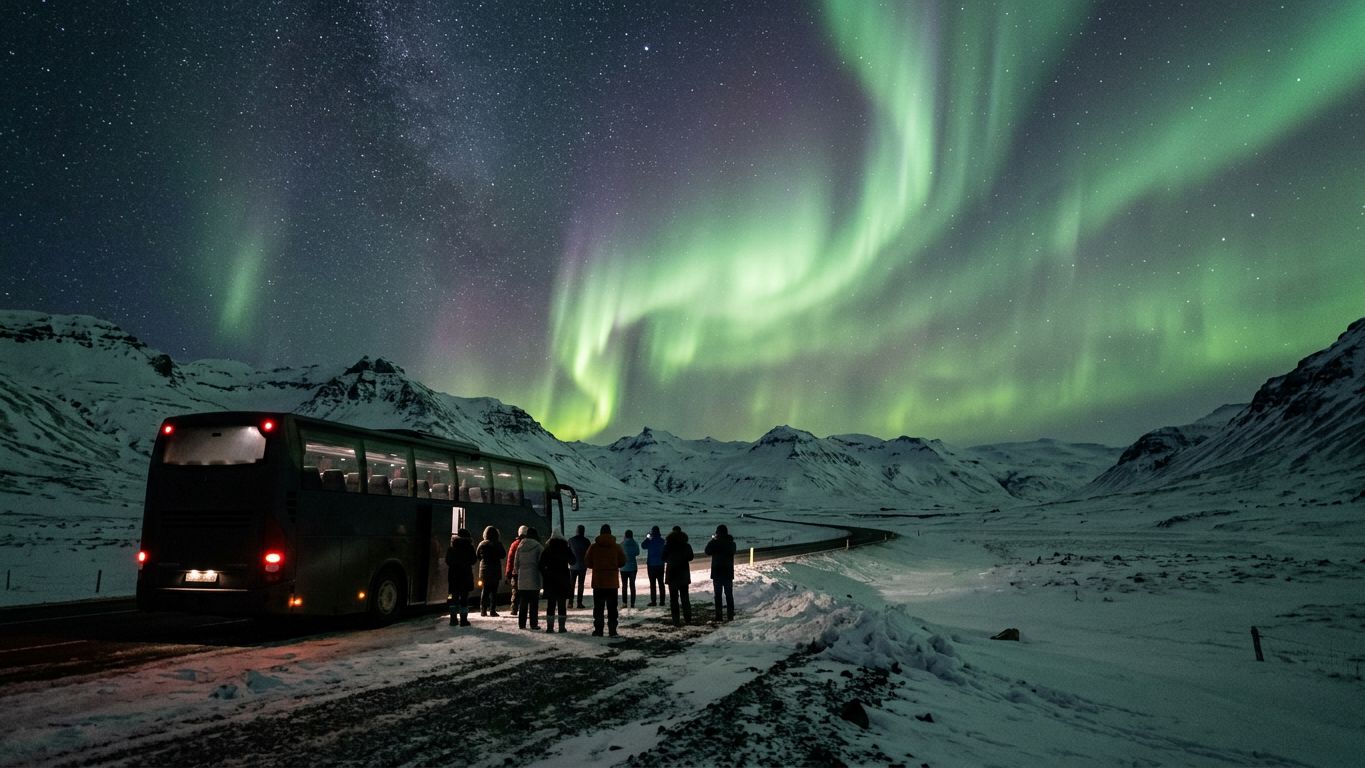
Many operators offer combination tours that visit Golden Circle sites during daylight hours, then continue into the evening for northern lights viewing. These tours typically run 10 to 12 hours total and operate from late August through mid-April when darkness returns to Iceland. The tours allow you to experience major sightseeing and aurora hunting in a single day rather than booking separate excursions.
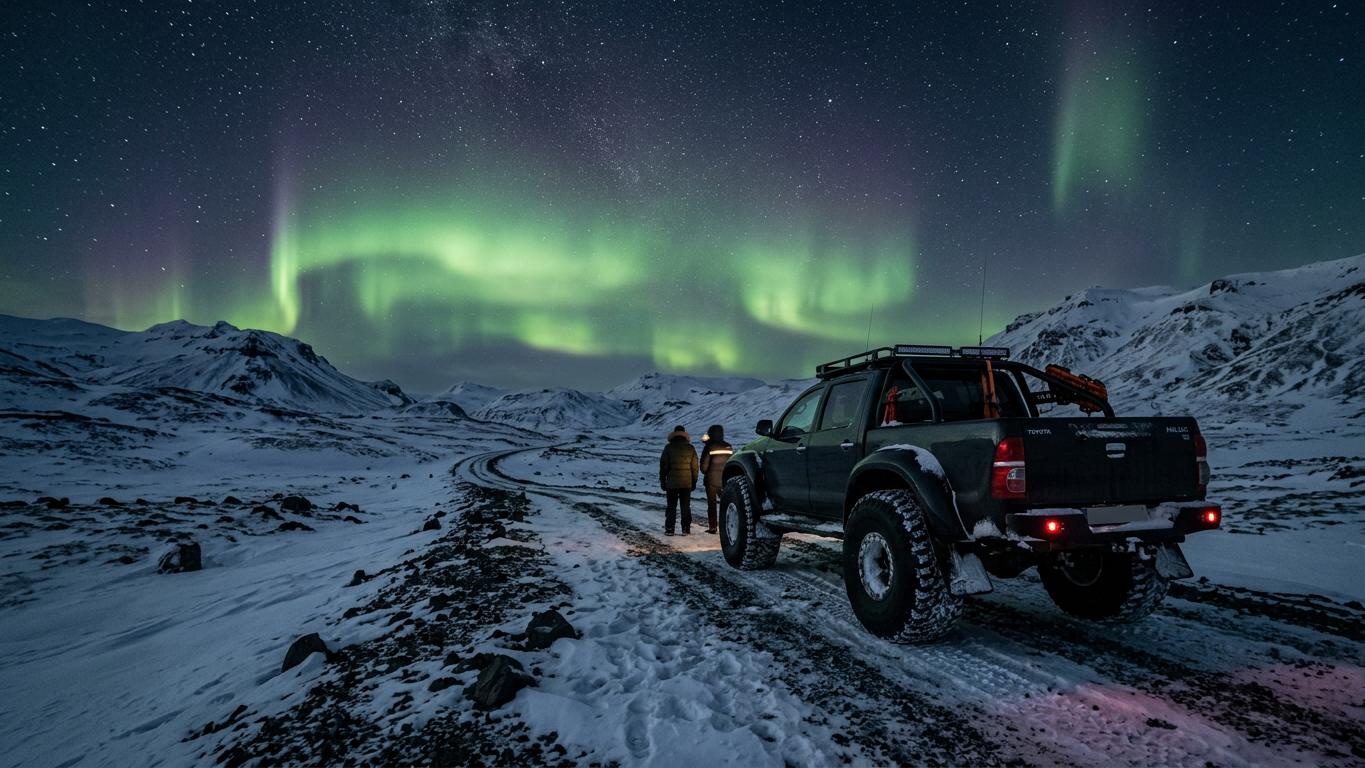
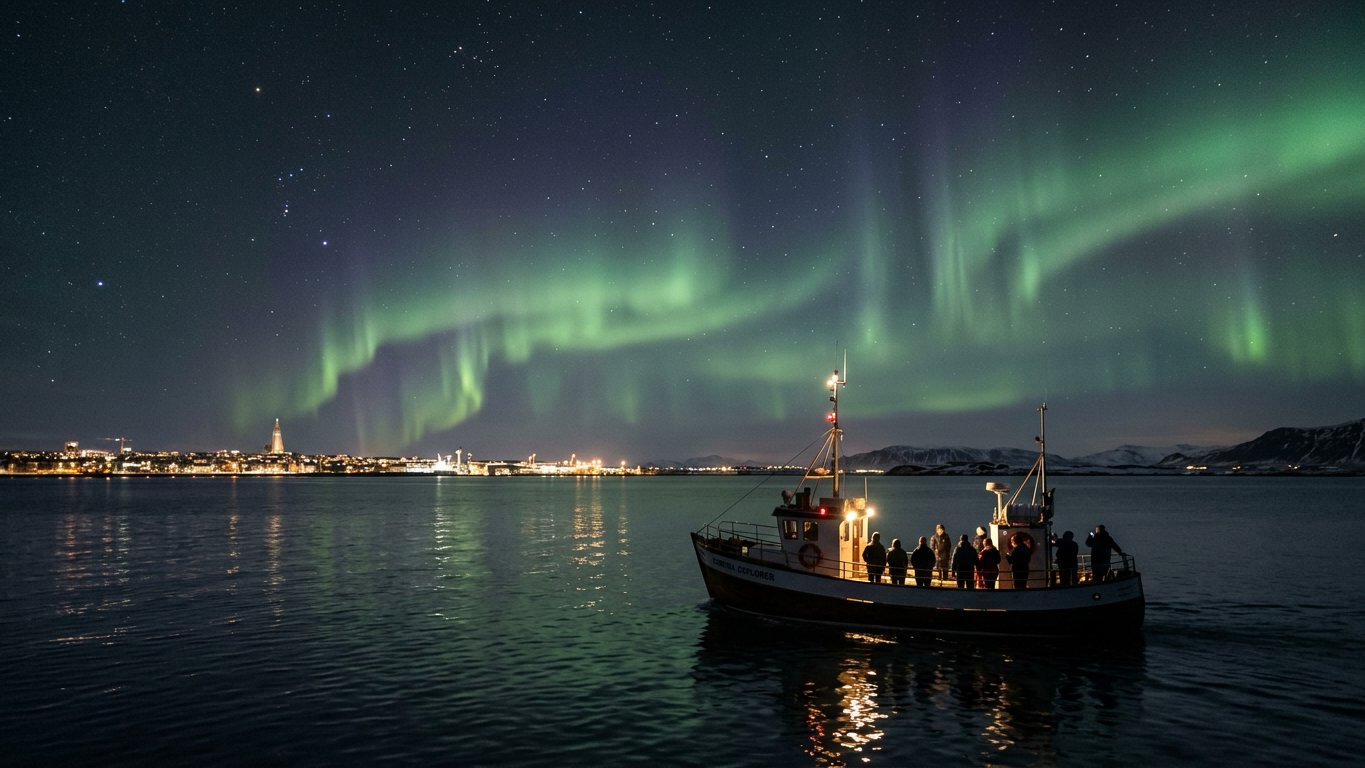
After completing the standard Golden Circle route, these combination tours head to dark locations away from Reykjavik's light pollution. Some return to Thingvellir National Park for evening aurora viewing, while others choose locations based on the current northern lights forecast and cloud cover predictions. Success depends on solar activity, clear skies, and darkness, with no guarantees on any given night.
Standalone northern lights tours from Reykjavik typically cost less than combination options and focus entirely on aurora hunting with departure times around 21:00 or 22:00. If you prefer separate experiences and have multiple days in Iceland, booking the Golden Circle and northern lights as distinct tours provides more flexibility with scheduling around weather forecasts.
Booking Considerations and Timing
Tour availability varies by season, with summer seeing maximum departures and winter offering fewer daily options. Popular dates around holidays and school breaks can sell out weeks in advance, particularly for small group tours. Budget coach tours typically have more availability given their larger capacity.
Cancellation policies differ by operator but generally allow free cancellation up to 24 hours before departure. Weather cancellations are rare since the Golden Circle route remains accessible year-round, though severe storms occasionally force modified itineraries or shortened tours. Most operators provide full refunds or rebooking options if they cancel due to weather.
Pickup locations in Reykjavik follow a designated bus stop system rather than door-to-door service from every hotel. Your confirmation email will specify the nearest pickup point and time, usually a major hotel or bus terminal within walking distance of your accommodation. The system reduces traffic congestion but requires you to be ready 5 to 10 minutes before your scheduled time.
If your interests extend beyond the classic Golden Circle, consider how this tour fits with other day trips from Reykjavik. The South Coast offers different scenery including black sand beaches and glacier lagoons, while the Snaefellsnes peninsula features coastal cliffs and Kirkjufell mountain. Most visitors allocate one day for the Golden Circle within a broader Iceland itinerary lasting 5 to 10 days.
Frequently asked questions
How long does a Golden Circle tour from Reykjavik take and what time do tours usually start?
Standard Golden Circle tours run 6 to 7 hours from first pickup to final drop-off in Reykjavik. Most tours depart between 8:00 and 9:30, with hotel pickups beginning 30 to 45 minutes earlier depending on your accommodation's location. Extended tours including additional stops like the Secret Lagoon or snowmobile excursions can take 10 to 12 hours total.
What is the difference between a Golden Circle bus tour and a small group tour?
Bus tours use large coaches carrying 40 to 50 passengers and follow fixed schedules at the most budget-friendly prices. Small group tours limit capacity to 15 to 19 passengers in minibuses, offer more flexibility with timing, and provide live commentary from guides who can adjust the pace. Both tour types visit the same main sites but the experience differs in group size and personal attention.
Can you visit the Golden Circle on your own by renting a car or do you need to take a tour?
You can absolutely drive the Golden Circle independently by renting a car, as all three main sites are accessible via paved roads year-round. The route forms a loop of roughly 230 kilometres from Reykjavik that most drivers complete in 6 to 8 hours with stops. Tours provide the advantage of local knowledge, no driving stress, and hotel pickup, while self-driving offers complete schedule flexibility and the ability to visit at less crowded times.
What should I wear on a Golden Circle tour in winter and will the sites be accessible in snow?
Winter Golden Circle tours require waterproof insulated clothing, boots with good grip, and warm layers you can adjust between outdoor stops and the heated coach. All three main sites maintain winter access with cleared pathways and safety infrastructure, though ice and snow cover the landscape. Conditions at Gullfoss can be particularly icy due to waterfall spray freezing on walkways and railings.
Is the Golden Circle tour worth it if I only have one day in Iceland and also want to see the northern lights?
If you visit during aurora season from late August through mid-April, combination tours exist that cover Golden Circle sites during daylight then continue into evening for northern lights viewing. These tours run 10 to 12 hours total and allow you to experience both in a single day. Alternatively, you can do a Golden Circle tour during the day and book a separate evening northern lights tour, though this makes for a very long day.
How much time do you actually get at each Golden Circle stop and is it enough for photos?
Most tours allocate 45 to 60 minutes at Thingvellir National Park, 30 to 45 minutes at the Geysir geothermal area, and 30 to 45 minutes at Gullfoss waterfall. This provides enough time for the main viewpoints and photos at each location, though photographers seeking specific conditions or compositions may feel rushed. Private tours offer the most flexibility to spend extra time at sites that interest you most.
Are Golden Circle tours in summer very crowded and is it better to go in winter for fewer people?
Summer tours from May through September encounter peak tourist numbers, with the largest crowds at Geysir and Gullfoss between 11:00 and 15:00. Winter tours see significantly fewer visitors and offer dramatic snow-covered scenery, though shorter daylight hours and icy conditions require more careful walking. Shoulder seasons like September and March provide moderate weather and tourist numbers as a compromise.
What additional stops beyond Thingvellir, Geysir and Gullfoss do Golden Circle tours include?
Many extended tours add Kerid volcanic crater, a colourful 55-metre-deep formation with a lake at the bottom. Some tours include the Secret Lagoon geothermal pool for bathing, Fridheimar greenhouse for lunch, or snowmobile excursions on Langjokull glacier. These add-ons increase tour duration to 8 to 12 hours and typically cost more than standard three-stop tours.