Hours of Darkness and Aurora Visibility in September
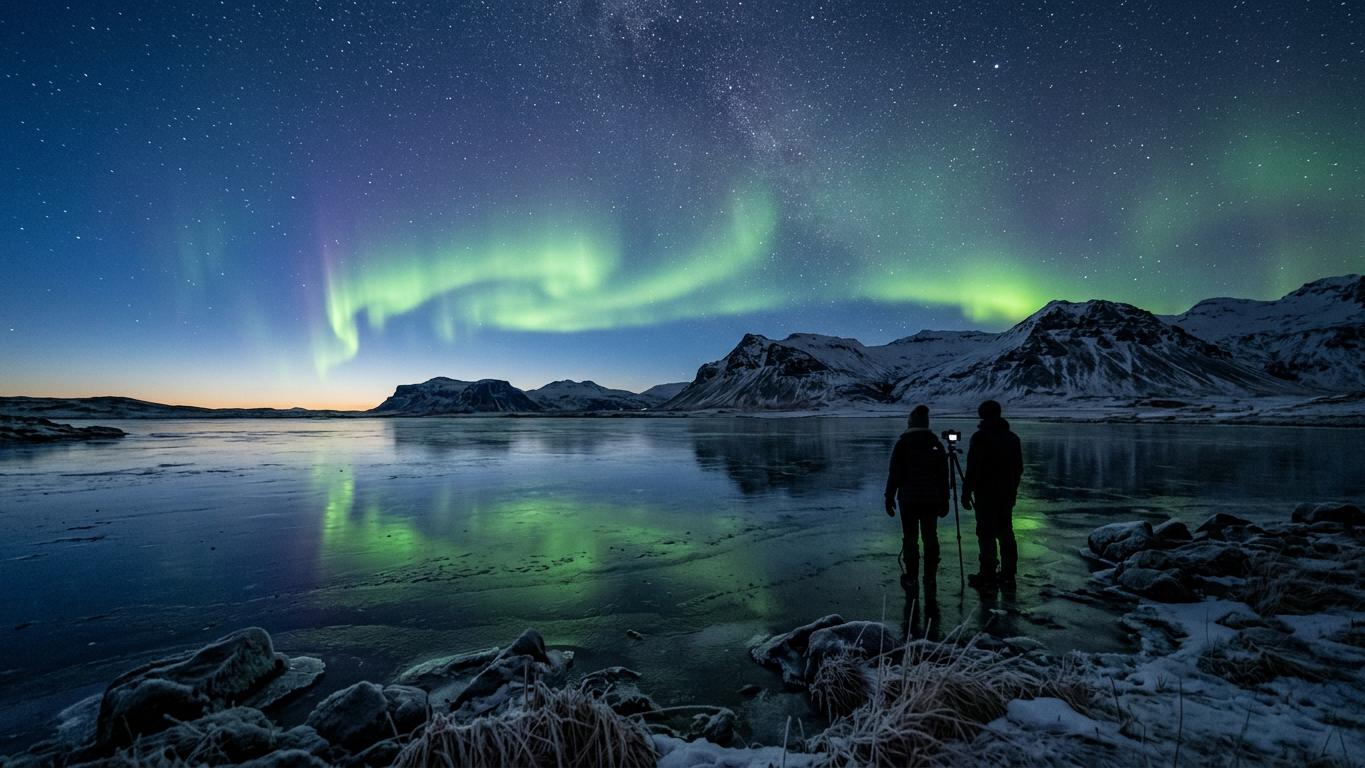
The official aurora season begins in late August, but September delivers the first practical opportunities for most visitors. At the start of the month in Reykjavik, darkness lasts roughly four hours between midnight and 4am. By the end of September, you gain about eight hours of darkness each night, from around 10pm to 6am.
The autumn equinox around September 21-22 represents a turning point when the best time to see northern lights in Iceland begins in earnest. Before mid-month, twilight lingers late into the evening, and you may need to wait until after midnight for truly dark skies. After the equinox, full darkness arrives earlier, giving tours more flexibility in scheduling and you more hours to watch.
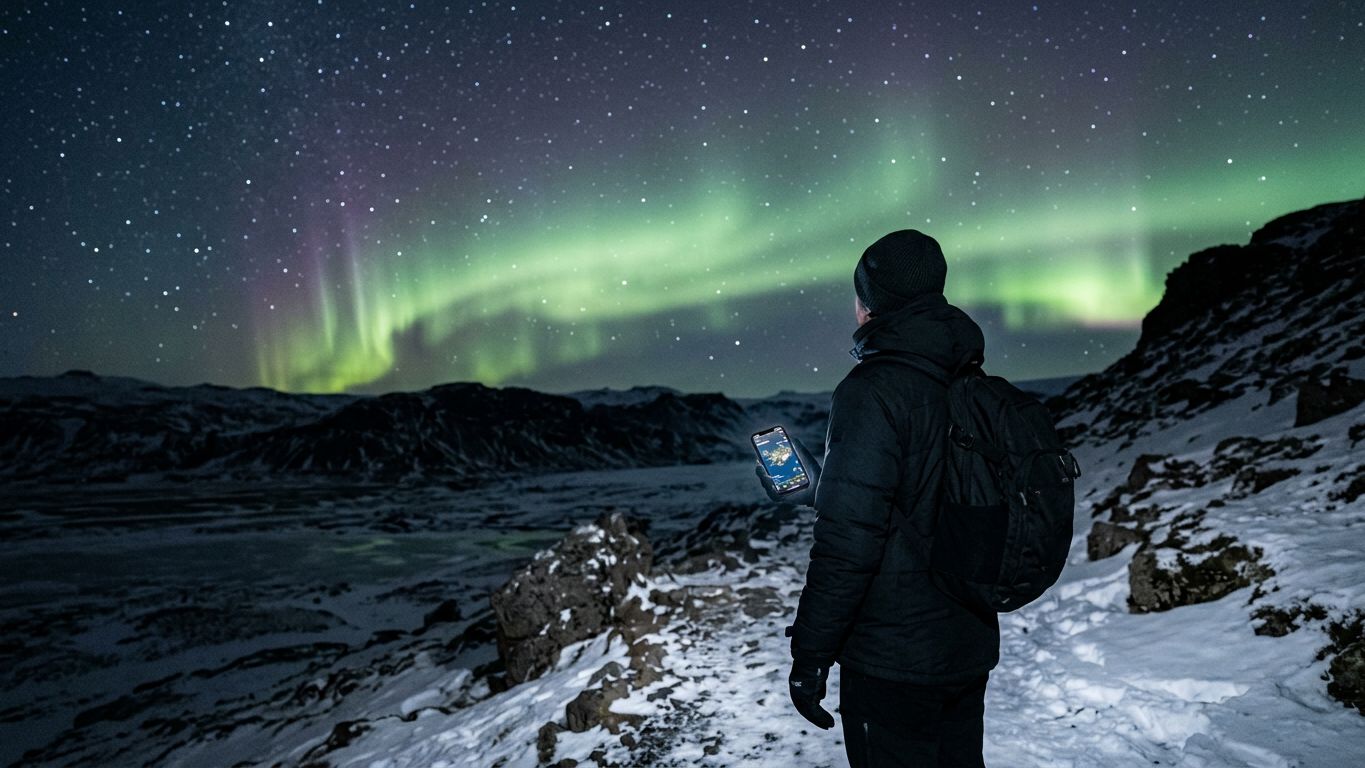
Solar activity follows an eleven-year cycle and remains independent of season. The KP index ranges from 0 to 9, measuring geomagnetic activity, and even low values of KP 2 or 3 can produce visible displays under clear, dark skies. The northern lights forecast in Iceland relies on both solar wind data and local cloud cover predictions from the Icelandic Met Office at vedur.is.
Weather and Temperature in September
September weather in Iceland sits at the transition between summer and autumn. Average daytime temperatures in Reykjavik range from 8 to 12 degrees Celsius, dropping to 4 to 7 degrees at night. Coastal areas stay milder than the highlands, which can see near-freezing temperatures and early snow by month's end.
Rain occurs frequently, and wind remains a constant factor across the island. Cloud cover represents the primary challenge for aurora viewing, as even strong solar activity cannot penetrate thick clouds. Weather patterns shift quickly, and clear skies in one region often coincide with overcast conditions elsewhere. Most operators monitor forecasts closely and adjust routes on the night of each tour to chase clear patches.
September typically sees fewer storms than October or November, making it a relatively calm month for travel. Road conditions remain good on main routes, and highland roads stay open until mid-month before winter closures begin. The combination of accessible roads and improving darkness makes early autumn a practical choice for combining aurora hunts with daytime exploration.
Book Northern Lights Tours from Reykjavik
More tours on GetYourGuideWhat to Wear for Northern Lights Tours in September
Layering remains essential for September nights outdoors. A thermal base layer, insulating mid-layer like fleece, and waterproof outer shell protect against wind and occasional rain. Temperatures feel colder when standing still during long observation periods, especially in open areas away from town.
Warm hat, gloves, and a scarf make significant differences in comfort. Waterproof hiking boots with good grip handle wet grass and uneven terrain at viewing spots. Many tours last three to five hours, and you may spend extended periods outside the vehicle, so dressing warmer than you think necessary proves wise.
If you plan to join a northern lights boat tour from Reykjavik, add extra wind protection, as temperatures on the water drop further and wind chill increases. Some operators provide blankets or thermal suits, but personal layers ensure comfort throughout the experience.
Northern Lights Tours Operating in September
Most tour operators launch their aurora programs in early September, running nightly departures from Reykjavik when forecasts show promise. Standard northern lights bus tours from Reykjavik accommodate larger groups and represent the budget-friendly option, typically lasting four to five hours with pickup from hotels or designated stops around the city.
Small group northern lights tours from Reykjavik limit numbers to twelve or fifteen passengers, using minibuses that access narrower roads and can change plans more quickly than large coaches. Super jeep northern lights tours go further into rural areas, though most highland routes close by late September as winter approaches.
Some visitors prefer a private northern lights tour from Reykjavik for flexible timing and personalized attention. Northern lights photography tours in Iceland cater to those wanting guidance on camera settings, long exposures, and composition, with instructors helping both beginners and experienced photographers.
Combination tours remain popular in September when daylight still allows for sightseeing. A Golden Circle and northern lights tour visits Thingvellir, Gullfoss, and Geysir during the day before hunting auroras after dark. Similarly, a northern lights and hot springs tour pairs evening aurora viewing with a warm soak, balancing activity with relaxation.
Chances of Seeing the Aurora in September
Your chances in September depend on darkness hours, solar activity, and cloud cover. Early September offers lower probability than late September purely because nights remain shorter. Statistics vary year to year, but visitors staying several nights and booking multiple tours increase their odds significantly.
No operator guarantees sightings, as solar and weather conditions lie beyond human control. Many companies offer free rebooking if no aurora appears, allowing you to try again on another night during your stay. Patience and flexibility matter more than any single tour choice.
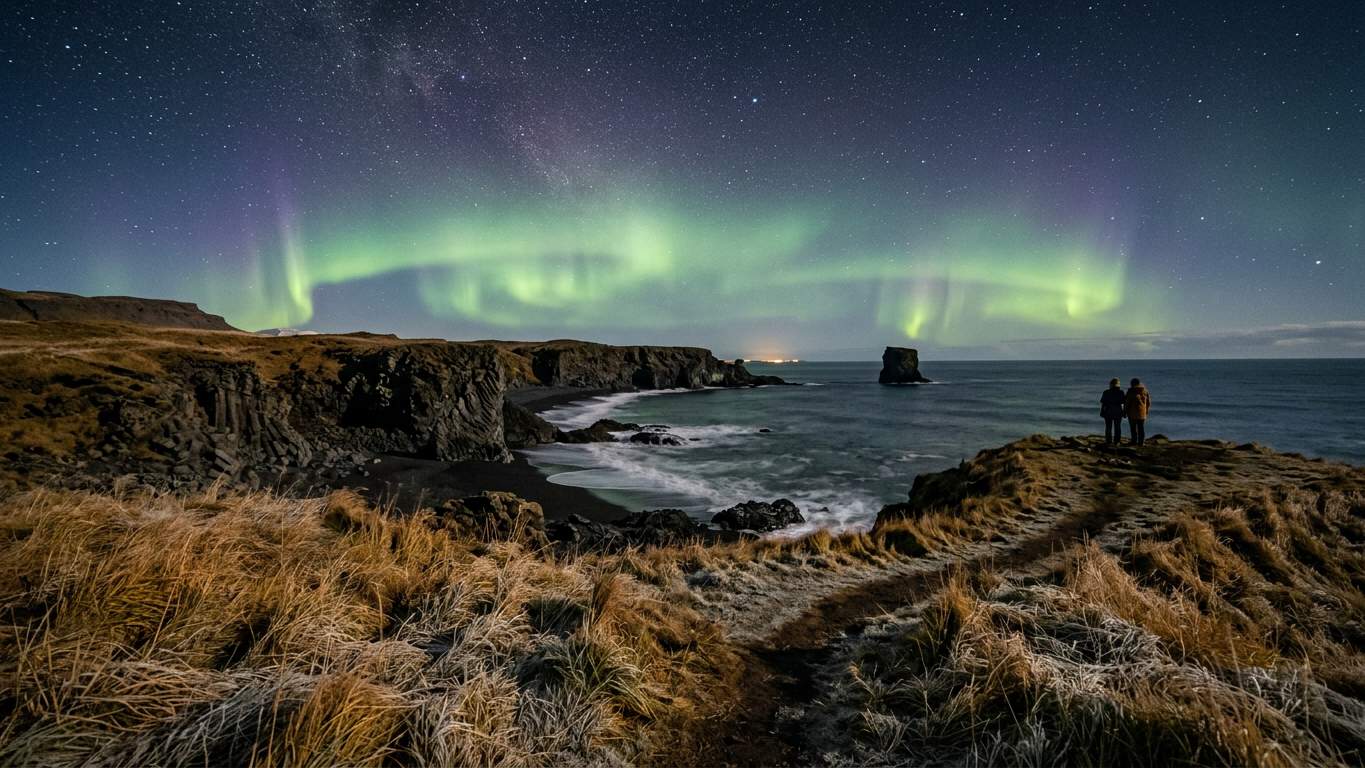
Displays in September often appear fainter than mid-winter shows, as lighter skies reduce contrast. However, strong geomagnetic storms can produce vivid auroras even during early autumn, and the absence of extreme cold makes September comfortable for first-time viewers.
Daylight Activities and Events in September
September daylight hours shrink from about sixteen hours at the start to twelve by month's end, leaving ample time for sightseeing. The Golden Circle tour in Iceland remains accessible, with Thingvellir National Park lying about 45 minutes from Reykjavik and offering dramatic rift valley landscapes, Gullfoss waterfall crashing into a canyon, and Geysir geothermal area producing regular eruptions from Strokkur.
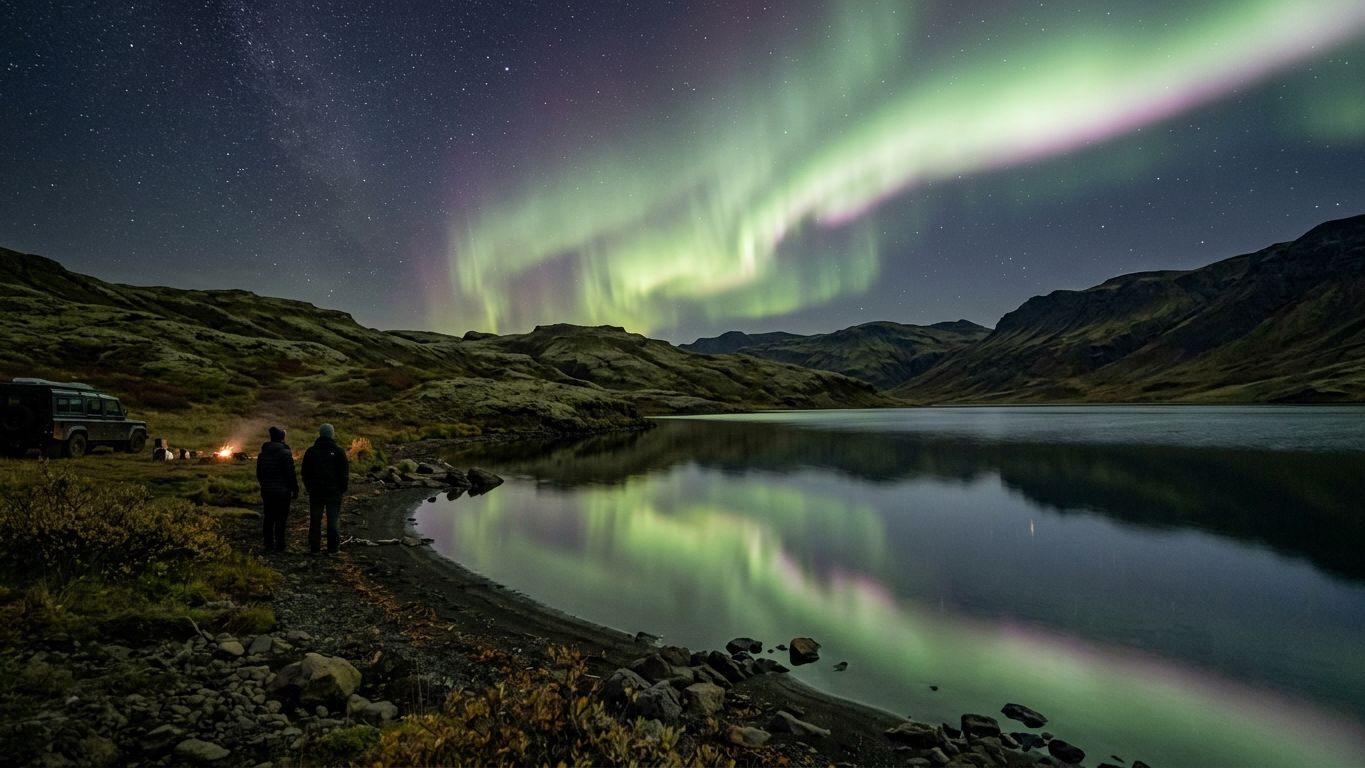
The south coast stays fully open in September, with waterfalls like Seljalandsfoss and Skogafoss at their greenest. Jokulsarlon glacier lagoon, about five hours east of the capital, combines icebergs and seals with potential aurora reflections on calm nights if you extend your trip or join a multi-day northern lights tour in Iceland.
Autumn colors begin to appear in sheltered valleys and lowland areas, and whale watching continues from Reykjavik harbor through September. Fewer tourists visit compared to peak summer, so popular sites feel less crowded and accommodation prices often drop slightly after the high season ends in late August.
Frequently asked questions
Can you see the northern lights in Iceland in September?
Yes, the northern lights become visible in Iceland in September as darkness returns after the bright summer months. Early September offers limited viewing windows around midnight, while late September provides up to eight hours of darkness each night. Clear skies and solar activity remain the determining factors for successful sightings.
What is the best time in September to see the northern lights in Iceland?
The best time in September is after the autumn equinox around September 21-22, when nights lengthen significantly and full darkness arrives earlier in the evening. Before mid-month, you often need to wait until after midnight for dark enough skies. Late September offers more practical viewing hours and better chances overall.
Is September too early to visit Iceland for the northern lights?
September is not too early, but it sits at the beginning of the season when darkness hours are still limited. Early September requires patience and late-night viewing, while late September provides conditions comparable to March. If your primary goal is aurora viewing, October through February offer longer darkness, though September combines aurora potential with milder weather and accessible roads.
How cold is it in Iceland in September for northern lights tours?
September temperatures in Iceland range from 8 to 12 degrees Celsius during the day and drop to 4 to 7 degrees at night along the coast. When standing outside for extended periods on tours, wind chill makes it feel colder. Layered clothing, waterproof outerwear, warm hat, and gloves ensure comfort during three to five hour excursions.
Do northern lights tours run every night in September in Iceland?
Most operators run tours nightly from early September through mid-April, departing when the aurora forecast shows potential and cloud cover remains manageable. Tours may cancel on nights with complete overcast or very low solar activity. Operators monitor forecasts throughout the day and usually confirm departures a few hours before pickup time.
What should I pack for a northern lights tour in Iceland in September?
Pack thermal base layers, fleece or insulating mid-layer, waterproof jacket and trousers, warm hat, gloves, scarf, and waterproof hiking boots. September weather shifts quickly, so waterproof gear protects against rain and wind. Bring extra warmth for long periods standing still outdoors, especially if joining a boat tour where wind chill increases.
Can you combine daytime sightseeing with northern lights tours in September?
Yes, September offers around twelve to sixteen hours of daylight, allowing plenty of time for sightseeing before evening aurora tours. Popular combinations include the Golden Circle during the day followed by northern lights hunting after dark, or visiting south coast waterfalls before returning to Reykjavik for a night tour. Multi-day tours extend this approach across several regions.
How likely am I to see the northern lights in Iceland during a week in September?
Likelihood depends on solar activity, cloud cover, and how many nights you dedicate to viewing. Staying a full week and booking multiple tours significantly improves your chances, as weather and solar conditions change daily. Late September offers better odds than early September due to longer darkness hours, but no operator can guarantee sightings on any specific night.