Why Choose a Multi Day Northern Lights Tour
The northern lights are a natural phenomenon governed by solar activity, cloud cover, and darkness, making them inherently unpredictable on any single night. Tours that span multiple nights multiply your opportunities to witness the aurora, with most operators offering aurora hunts on at least two or three evenings during longer itineraries.
Multi-day packages position you in rural hotels and guesthouses along Iceland's south coast, Snaefellsnes peninsula, and eastern regions where light pollution is minimal and skies remain darker longer than in Reykjavik. You avoid the nightly return to the capital that characterizes standard evening bus tours from Reykjavik, spending more time in prime viewing locations.
Between aurora hunts, daytime hours fill with visits to waterfalls, glaciers, black sand beaches, and other winter attractions. Ice cave excursions typically run from November through March, and many multi-day winter tours include glacier ice cave visits as standard components of the itinerary.
Typical Itineraries and Routes
Two-day tours commonly follow the south coast to Vik, stopping at Seljalandsfoss and Skogafoss waterfalls, Reynisfjara black sand beach, and overnight accommodation near Vik or slightly further east. Evening aurora hunts take place directly from the hotel area or a short drive away. The return journey may include additional stops at Solheimajokull glacier or other sites depending on daylight hours and conditions.
Three to four-day itineraries extend to Jokulsarlon glacier lagoon and the Diamond Beach, roughly five hours' drive from Reykjavik. These longer trips provide two or three nights in the countryside, increasing aurora viewing opportunities significantly. Jokulsarlon offers exceptionally dark skies for northern lights photography, and many tours incorporate ice cave visits to nearby Vatnajokull glacier outlets during winter months.
Five to six-day winter tours may add the Snaefellsnes peninsula to south coast destinations, circling a substantial portion of Iceland's coastal ring road. Kirkjufell mountain on Snaefellsnes provides a dramatic northern lights foreground, and the peninsula's remote location ensures minimal light interference. Some extended itineraries also include the Golden Circle route with its three major attractions: Thingvellir National Park, Geysir geothermal area, and Gullfoss waterfall.
Find Multi Day Northern Lights Tours
More tours on GetYourGuideAccommodation and Aurora Hunting Logistics
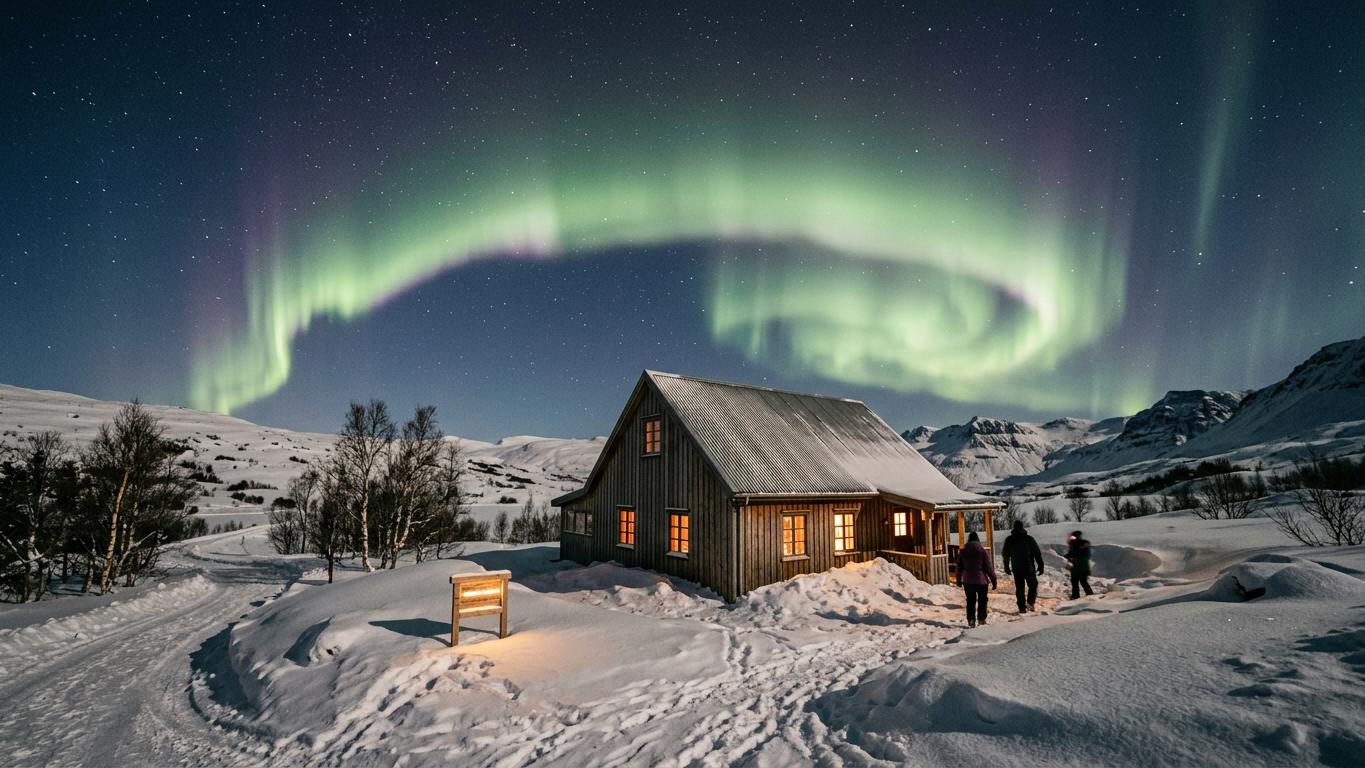
Most multi-day winter tours use countryside hotels, guesthouses, and farmstays rated at budget to mid-range levels, with private bathrooms standard in most three-star properties. Rooms typically feature blackout curtains, essential for daytime rest after late-night aurora hunts. Premium-tier tours may book boutique hotels or properties with direct views of open landscapes from guest rooms.
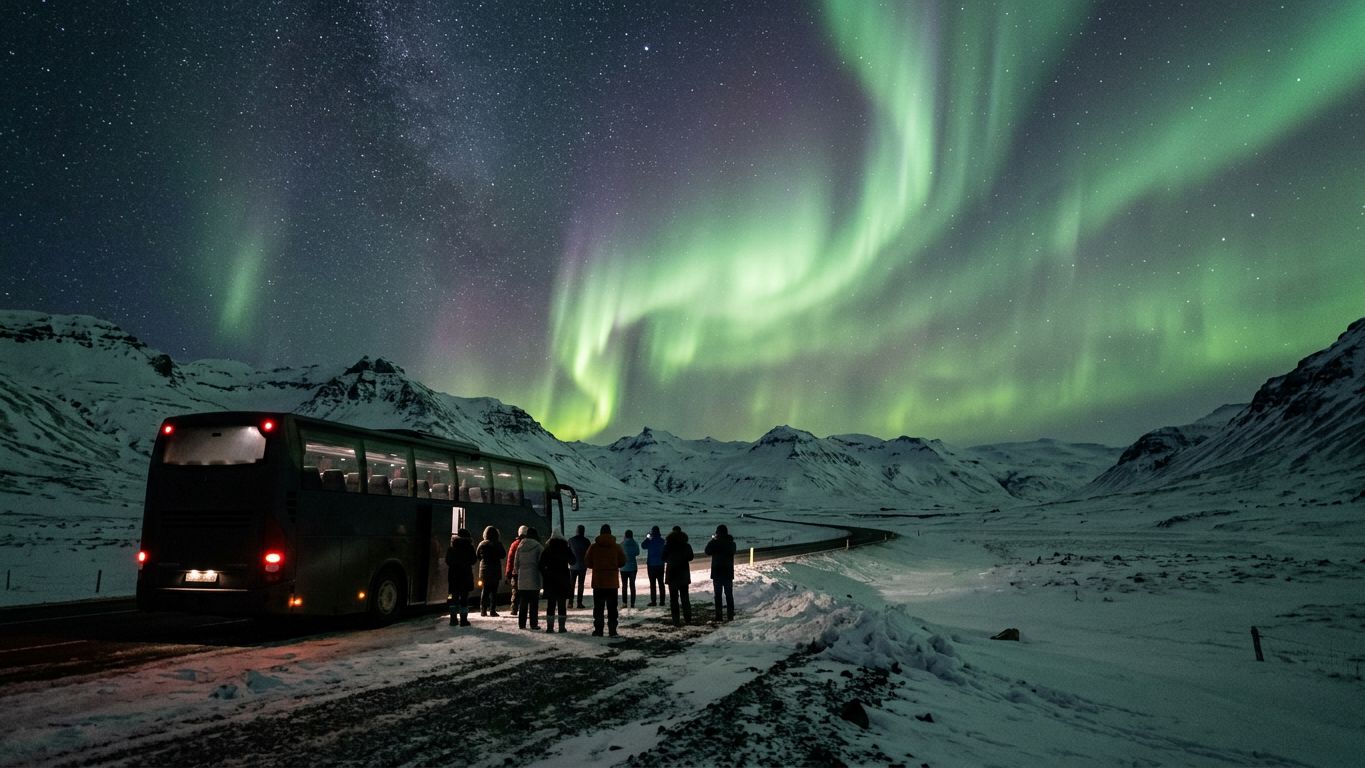
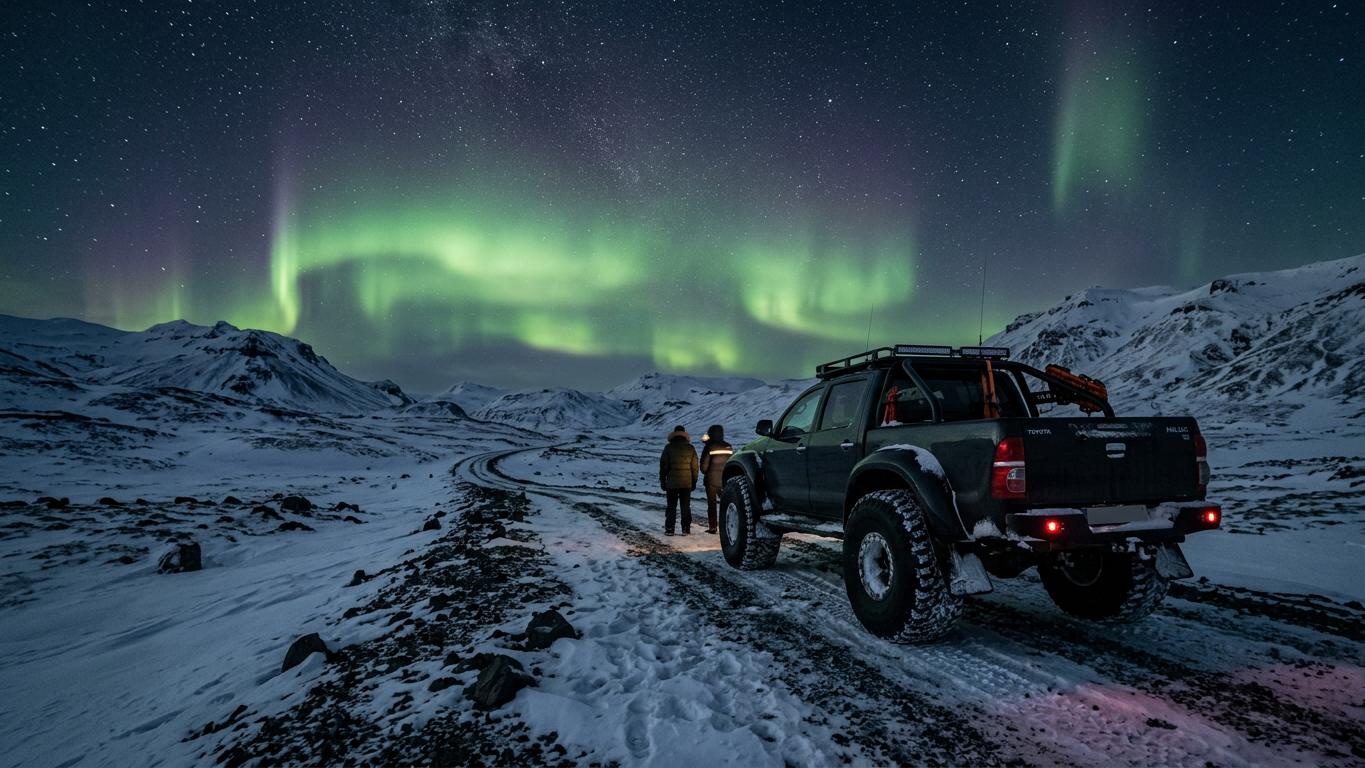
Aurora hunting protocols vary by operator. Some tours include dedicated evening excursions in the tour bus or smaller vehicles, while others rely on hotel staff to alert guests when northern lights appear overhead. The most flexible approach combines both: guides check the aurora forecast and cloud cover predictions throughout the evening and organize transport to nearby dark-sky sites when conditions favor viewing.
Tour group sizes for multi-day packages range from small minibus groups of eight to twelve passengers up to full coach groups of forty or more. Smaller groups offer more flexibility to change plans based on weather and aurora forecasts, though they typically command premium prices. Group size also affects the pace of daytime sightseeing stops.
Winter Ice Caves and Daytime Activities
Natural ice caves within Vatnajokull glacier become accessible from November through March, when freezing temperatures stabilize the ice structures. Tours operating between these months frequently include ice cave visits as a core component, typically on the day spent near Jokulsarlon. Specialized glacier guides lead groups into the blue ice formations, providing helmets and crampons for safe passage.
Daytime schedules between aurora hunts incorporate south coast waterfalls, glacier walks, and coastal viewpoints. Seljalandsfoss allows passage behind the waterfall curtain when conditions permit, though ice buildup can close the path in deep winter. Skogafoss drops sixty meters from the cliffs that once formed Iceland's coastline, and a staircase beside it leads to an upper viewpoint.
Reynisfjara black sand beach features basalt column formations and the Reynisdrangar sea stacks rising offshore. Strong waves make the beach hazardous, and tour guides emphasize safety protocols. Driving times between south coast attractions range from twenty minutes to an hour, with the journey from Reykjavik to Vik taking approximately two and a half hours under normal winter road conditions.
Best Months for Multi Day Aurora Tours
The northern lights season in Iceland runs from late August through mid-April, but multi-day winter tour schedules concentrate in the November through March window when ice caves remain stable and winter landscapes reach their most dramatic. December offers the longest nights for aurora viewing, with only four to five hours of daylight in the capital and even less in northern regions.
January and February bring the coldest but often clearest weather, improving northern lights visibility when skies remain free of clouds. March balances reasonable temperatures with adequate darkness, and aurora activity often peaks during the equinox period. Tour availability remains high throughout these months, though Christmas and New Year periods book earliest.
Early season tours in September and late season departures in April encounter longer daylight hours that reduce aurora viewing windows but offer milder temperatures and occasional access to highland routes. Ice caves are not accessible during these shoulder months, so itineraries focus more heavily on coastal and lowland attractions.
What to Pack and Expect
Winter temperatures along Iceland's south coast typically range from minus five to plus three Celsius, with wind chill reducing perceived temperatures significantly. Layered clothing systems work best: thermal base layers, insulating mid-layers of fleece or wool, and windproof and waterproof outer shells. Insulated, waterproof boots with good traction are essential for glacier walks, ice cave visits, and standing outdoors during aurora hunts.
Camera equipment for northern lights photography should include a tripod, wide-angle lens with large aperture, and spare batteries that drain quickly in cold conditions. Many tours marketed as photography-focused experiences allocate extra time at each aurora viewing location and provide guidance on camera settings, though standard multi-day tours also accommodate photographers.
Daylight hours in December and January allow only brief periods for daytime sightseeing, with sunrise occurring around eleven in the morning and sunset by three thirty in the afternoon. Tour schedules adapt to these constraints, sometimes beginning daytime activities later or incorporating twilight stops. Longer days in February and March permit more extensive daytime touring between aurora hunting sessions.
Booking Considerations and Alternatives
Multi-day northern lights tour Iceland packages are bookable through platforms that connect travelers with local tour operators. Prices vary widely based on tour duration, accommodation standard, group size, and included activities, with budget two-day tours starting at lower price points and premium six-day packages with boutique hotels and small groups commanding substantially higher rates.
Most operators require full payment at booking, with cancellation policies varying between companies. Weather-related cancellations are rare for multi-day tours since the itinerary continues regardless of aurora visibility on specific nights, though operators may adjust routes based on road conditions and storm forecasts. Individual components like ice cave visits proceed only when glacier guides confirm safe access.
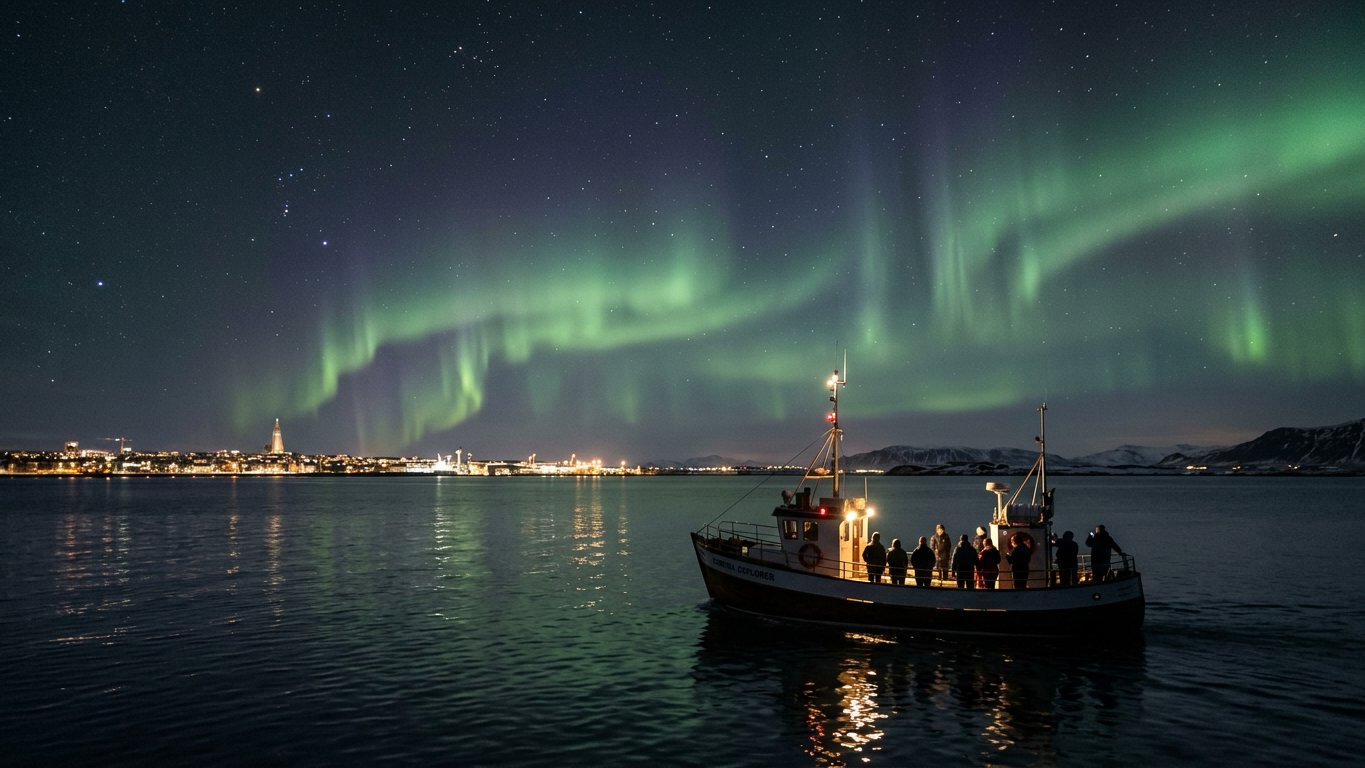
Travelers seeking more control over pace and stops might consider private tour arrangements that allow custom itineraries and flexible schedules. Those prioritizing shorter commitments can explore combined Golden Circle and northern lights day trips or single-evening aurora hunting tours from Reykjavik that return the same night. For urban aurora viewing without leaving the capital, Reykjavik itself occasionally offers visibility during strong geomagnetic storms.
Frequently asked questions
How much better are my chances of seeing the northern lights on a multi day tour compared to a single night tour from Reykjavik?
Multi-day tours provide two to five separate aurora hunting opportunities across different nights and locations, substantially improving your statistical chances compared to a single evening attempt. Cloud cover and solar activity vary day to day, so multiple nights allow operators to pursue the best forecasts across your trip. Staying in rural areas also means darker skies and less wasted travel time than nightly returns to Reykjavik.
Do multi day northern lights tours in Iceland include accommodation or do I need to book hotels separately?
The vast majority of multi-day packages include all overnight accommodation, typically in countryside hotels or guesthouses with private bathrooms. Accommodation standard varies by price tier, from budget farmstays to mid-range hotels to premium boutique properties. Breakfast is usually included, while other meals may be provided or left to participants to purchase at hotel restaurants and roadside stops.
Can I see northern lights from my hotel room during a multi day tour or do we always go out in a vehicle to hunt them?
Many countryside hotels used on multi-day tours sit in areas dark enough for aurora viewing directly from the property, and some tour operators encourage guests to watch from their rooms or the hotel grounds when lights appear. Most packages also include organized evening excursions in vehicles to reach even darker or more scenic locations. The approach varies by operator and nightly conditions.
What happens if the northern lights don't appear on any night of my multi day tour in Iceland?
Multi-day tour packages do not typically offer refunds or repeat trips if the aurora remains invisible due to cloud cover or low solar activity, as the itinerary includes daytime sightseeing and accommodation regardless of aurora visibility. This differs from some single-night tours that offer free repeat attempts. The trade-off is that multiple nights dramatically reduce the probability of complete aurora failure across your entire stay.
Are ice caves included in all multi day northern lights tours or only specific winter itineraries?
Ice cave visits are only possible from November through March when glacier conditions remain stable, so tours operating outside these months cannot include them. Within the winter season, ice caves appear most commonly on three-day or longer itineraries that reach the Jokulsarlon area near Vatnajokull glacier. Two-day south coast tours typically end near Vik and may not extend far enough east for ice cave access.
How long do we typically spend at each location during the daytime portions of multi day aurora tours?
Stops at major south coast attractions like Seljalandsfoss, Skogafoss, and Reynisfjara beach typically last twenty to forty minutes, allowing time for photos and short walks. Jokulsarlon glacier lagoon often receives an hour or more due to its scale and photographic appeal. Ice cave excursions require one to two hours including travel to the glacier and the guided walk inside the ice formations.
Can I join a multi day northern lights tour if I'm traveling alone or do I need to book as a couple or group?
Most multi-day tours accept solo travelers, though single occupancy of hotel rooms usually incurs a supplement charge since accommodation pricing is structured around double occupancy. Some operators offer shared accommodation options that pair solo travelers in twin rooms at lower cost. Group sizes include solo travelers, couples, families, and friend groups mixed together.
Is it better to book a multi day tour in December for the longest nights or in February for better weather conditions?
December provides the longest darkness periods with only four to five hours of daylight, maximizing aurora hunting windows but often bringing unstable weather with frequent storms. February typically offers colder but clearer conditions that improve visibility when skies are cloud-free, though nights are slightly shorter. Both months have advantages, and aurora activity itself shows no strong preference between them, so the choice depends on whether you prioritize viewing hours or statistical weather patterns.