Why November Is Prime Time for Aurora Hunting
November sits squarely in the peak aurora season, which runs from late August through mid-April. By this month, Iceland has left behind the lingering twilight of early autumn. Darkness arrives before 5pm and sunrise doesn't occur until after 10am, giving you more than 17 hours of potential viewing time at the start of the month and nearly 19 hours by the end.
Solar activity often increases during autumn and winter months, raising the likelihood of stronger displays. The longer nights mean tours can depart earlier in the evening, and you have multiple opportunities each night to catch a display if clouds move through. Most operators run tours seven nights per week throughout November, with departures typically scheduled between 8pm and 9pm.
If you're planning a trip during the broader season, you can compare conditions across the best months to see northern lights in Iceland.
Weather and Cloud Patterns in November
November weather in Iceland is variable and often challenging. Average temperatures in Reykjavik range from -1°C to 4°C, though wind chill can make it feel significantly colder. Coastal areas typically stay above freezing, while inland locations and higher elevations experience colder conditions.
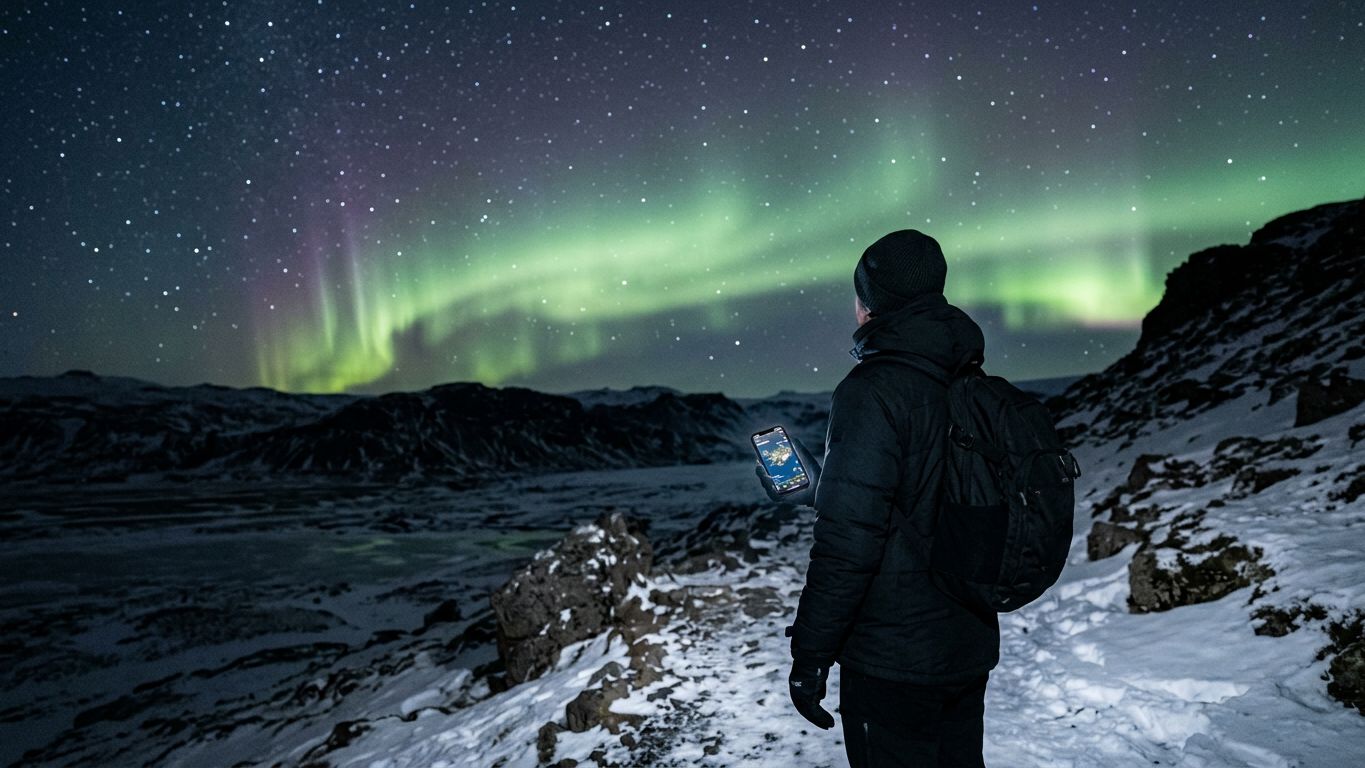
Cloud cover is the primary obstacle for aurora viewing. November typically sees more settled weather than the stormiest months of December and January, but Atlantic low-pressure systems still move through regularly. Snowfall becomes common, particularly in the north and east. Operators monitor the aurora forecast from the Icelandic Met Office, which provides both cloud cover predictions and KP index readings.
Tours usually depart even when conditions are marginal, as cloud patterns shift quickly and clear patches often appear. Most operators offer a second tour free of charge if you don't see the aurora on your first attempt, provided the cancellation wasn't due to dangerous weather.
Book November Northern Lights Tours
More tours on GetYourGuideTour Options From Reykjavik in November
Standard northern lights bus tours from Reykjavik operate throughout November and remain the most budget-friendly option. These tours typically carry 20 to 50 passengers and head to locations within 30 to 60 minutes of the city, including areas around Thingvellir National Park, which lies roughly 45 minutes northeast and offers exceptionally dark skies.
November road conditions can deteriorate quickly after snowfall, making super jeep northern lights tours an attractive option. These modified 4x4 vehicles access remote areas and handle icy roads more safely than standard coaches. Group sizes are smaller, typically six to eight passengers.
For a different perspective, northern lights boat tours from Reykjavik sail from the Old Harbour throughout November. Boats move away from city light pollution and offer heated indoor cabins, though sea conditions can be rough. Tours last around three hours.
Photography-focused tours are particularly worthwhile in November, as the extended darkness gives instructors more time to help you master camera settings. These tours typically provide tripods and spend longer at each location.
What to Wear and Pack
November requires full winter clothing. Temperatures hover near freezing, but wind chill is the real challenge. Most operators recommend dressing in layers: thermal base layers, a warm mid-layer such as fleece or wool, and a windproof, waterproof outer shell.
Insulated winter boots with good tread are essential, as you'll be standing on potentially icy ground for extended periods. Bring a warm hat that covers your ears, insulated gloves, and a scarf or neck warmer. Many visitors underestimate how cold standing still feels after 30 minutes outdoors.
Some operators provide thermal suits for bus tours, particularly useful if you don't have access to proper winter gear. Boat tours typically offer warm overalls on board. Hand warmers are worth packing in your pockets.
Daylight Activities and November Events
Despite the short days, November offers plenty of daylight activities. The Golden Circle route remains accessible, covering Thingvellir National Park, Geysir geothermal area, and Gullfoss waterfall in a single day trip. Snow often dusts the landscape by November, creating striking scenery.
The South Coast stays open, with tours visiting black sand beaches, waterfalls, and glacier viewpoints. Driving times are longer in winter conditions, and some highland roads close for the season. Ice cave tours in Vatnajökull glacier typically begin in November, offering a unique winter experience.
November 16th marks Iceland's birthday, though this is a low-key observance. The Christmas season begins to appear in Reykjavik's shops and streets toward the end of the month, though major festivities wait until December.
Comparing November to Other Autumn Months
November offers significantly more darkness than September or October, when twilight lingers and tours can't depart until late evening. The trade-off is colder temperatures and more frequent snow, which some visitors welcome and others find challenging.
December brings even longer nights, with nearly 20 hours of darkness around the winter solstice. However, December weather is typically stormier, and the Christmas period brings higher tour prices and larger crowds. November sits in a sweet spot before peak tourist season while still offering excellent darkness and aurora potential.
Early winter months like January and February extend the darkness window even further, though weather can be harsh. Spring months including March and April see increasing daylight, which begins to limit viewing hours.
Checking Forecasts and Booking Strategy
The Icelandic Met Office operates vedur.is, which provides detailed northern lights forecasts for Iceland. The forecast shows cloud cover predictions across the country and the KP index, which measures geomagnetic activity on a scale from 0 to 9. In Iceland's northern latitude, displays are visible even at KP 2 or 3 when skies are clear.
Book tours for early in your visit if possible, giving yourself backup nights if weather doesn't cooperate. Most operators offer the flexibility to reschedule or join another tour free if conditions are poor. Small group tours and private tours offer more flexibility in adjusting departure times or locations based on real-time conditions.
Multi-day options like multi-day northern lights tours increase your chances significantly, as you'll have several consecutive nights in different locations. Some tours combine aurora viewing with daytime activities, such as Golden Circle and northern lights combinations or tours that include hot springs.
Frequently asked questions
What are the chances of seeing the northern lights in Iceland in November?
November offers strong chances due to long darkness hours and relatively stable weather compared to deeper winter months. Clear sky nights occur several times per week on average, and solar activity is typically good. Your likelihood improves significantly if you stay for multiple nights and book tours that offer free rebooking if the first attempt is unsuccessful.
How many hours of darkness does Iceland have in November for northern lights viewing?
Iceland has 17 to 19 hours of darkness in November, depending on the date and location. At the start of the month, darkness runs from roughly 5pm to 10am. By late November, the sun sets before 4pm and doesn't rise until after 11am, giving extended viewing windows throughout the night.
Is November too cold to see the northern lights in Iceland?
November temperatures in Iceland average between -1°C and 4°C in Reykjavik, which is cold but manageable with proper winter clothing. Coastal areas rarely experience extreme cold, though wind chill is significant. Tours provide warm environments between viewing stops, and some operators supply thermal suits for guests who need them.
What is the weather typically like in Iceland in November for northern lights tours?
November weather is variable, with frequent clouds, wind, and occasional snow or rain. Atlantic storms move through regularly, bringing overcast conditions that block aurora viewing. However, weather systems also clear quickly, creating viewing opportunities throughout the month. Most tour operators monitor forecasts closely and travel to areas with the best predicted conditions each night.
Can you see the northern lights from Reykjavik in November or do you need to take a tour?
You can occasionally see the northern lights from darker areas of Reykjavik during strong displays in November, but light pollution reduces visibility significantly. Tours travel 30 to 60 minutes outside the city to locations with minimal artificial light, dramatically improving your chances. Learn more about viewing possibilities in Reykjavik.
Do northern lights tours in Iceland run every night in November?
Most operators run tours seven nights per week throughout November, departing between 8pm and 9pm. Tours are occasionally cancelled due to severe weather conditions such as heavy snow, strong winds, or dangerous road ice. Operators typically notify guests several hours before departure if conditions require cancellation and offer alternative dates.
What should I wear on a northern lights tour in Iceland in November?
Wear thermal base layers, warm mid-layers like fleece or wool, and a windproof waterproof jacket. Insulated winter boots with grip are essential, along with a warm hat, insulated gloves, and a scarf. You'll be standing outside for extended periods, so dressing warmer than you think necessary is wise.
How does November compare to December for seeing the northern lights in Iceland?
November and December both offer long darkness hours, with December having slightly more. November typically has somewhat calmer weather before the stormiest winter period arrives, and fewer tourists than December's holiday season. December brings higher prices and larger tour groups, though the extra hour of darkness can be beneficial. Both months provide excellent aurora viewing potential when skies cooperate.