Why February Is Good for Northern Lights
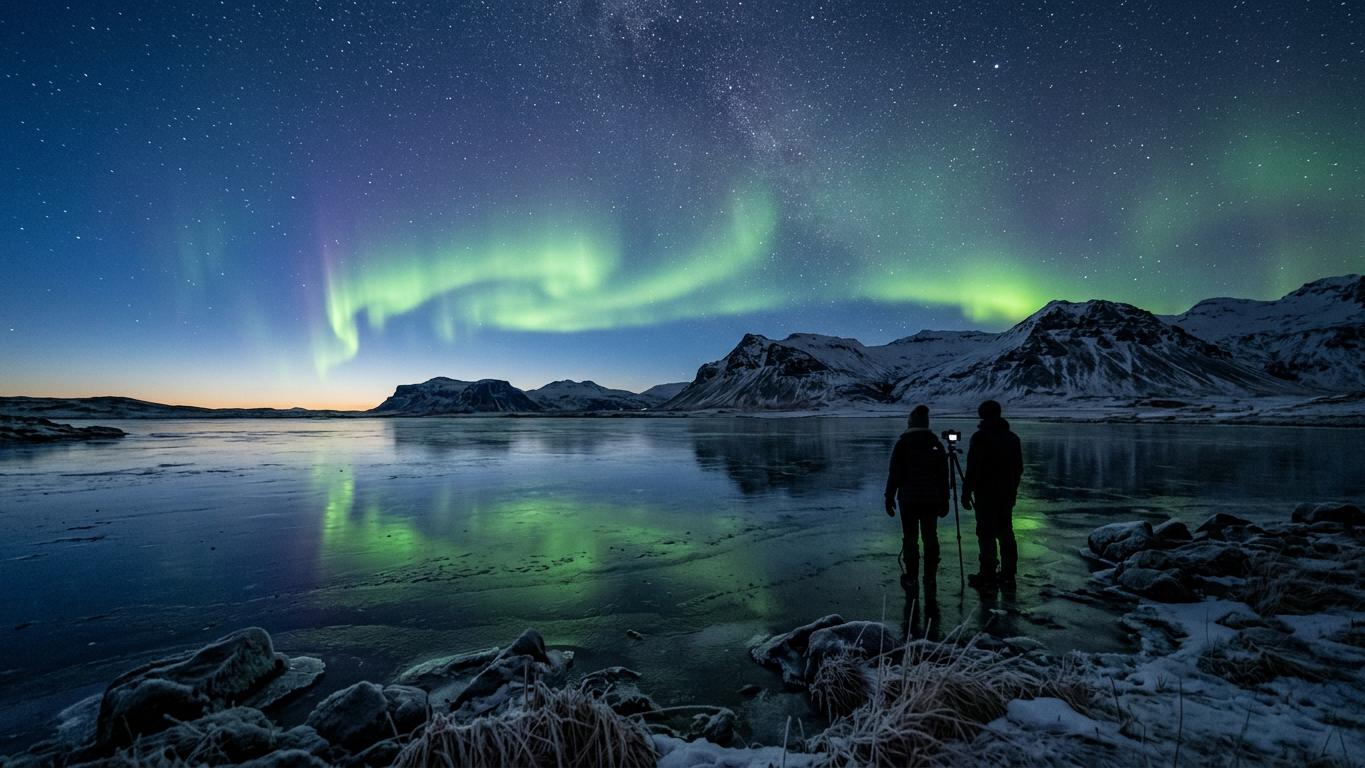
February sits in the heart of the aurora season in Iceland, which runs from late August through mid-April. The month provides around 10 to 12 hours of darkness, giving you ample opportunity to spot the lights without the extreme cold and frequent storms of December and January.
The aurora borealis is active throughout winter, but visibility depends on clear skies and solar activity. February typically brings slightly better weather patterns than the darkest winter months, though conditions remain highly variable. The KP index, which measures geomagnetic activity on a scale from 0 to 9, determines aurora intensity, and even low values of 2 or 3 can produce visible displays in Iceland's dark winter skies.
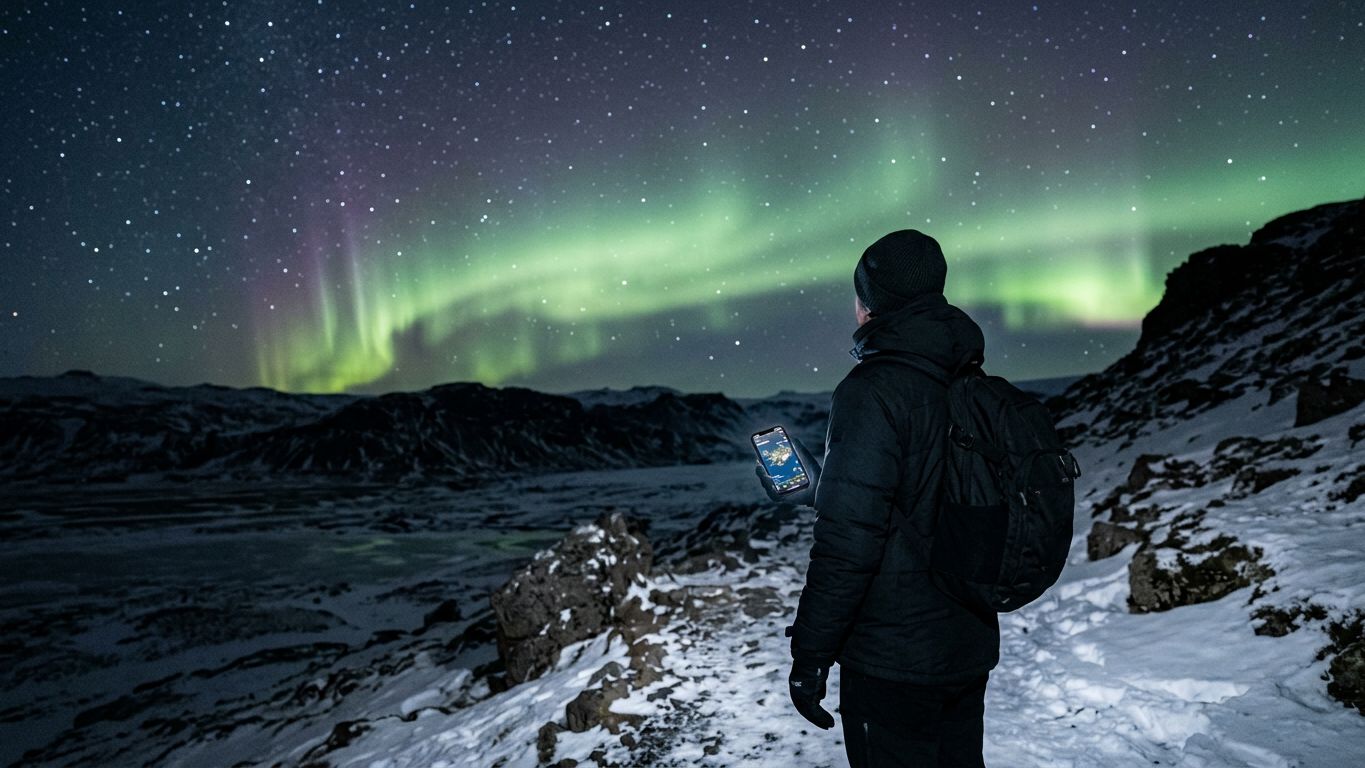
Most tours depart from Reykjavik between 20:00 and 21:00, when full darkness has settled. The Icelandic Met Office aurora forecast provides cloud cover predictions and KP index readings to help you choose the best nights to hunt for the lights.
February Weather and Temperatures
February in Iceland brings average daytime temperatures between -1°C and 3°C in Reykjavik, with coastal areas generally milder than inland locations. Nights can drop several degrees below freezing, especially in rural areas away from the ocean's moderating influence.
The month experiences frequent weather changes, with snow, rain, sleet, and occasional clear spells often occurring within the same day. Wind remains a constant factor, making temperatures feel significantly colder than the thermometer suggests. Coastal gales can reach 20 to 30 metres per second during storms, though most tour operators monitor conditions closely and cancel departures when safety is a concern.
Cloud cover presents the main challenge for aurora viewing in February. The weather patterns often bring Atlantic low-pressure systems, though high-pressure periods with clear skies do occur. Tour operators typically check forecasts throughout the day and may adjust departure times or destinations to chase clearer conditions.
Book Northern Lights Tours from Reykjavik
More tours on GetYourGuideHours of Darkness and Viewing Times
In early February, sunrise occurs around 09:30 and sunset around 17:30 in Reykjavik, giving roughly eight hours of full daylight. By late February, sunrise moves to 08:30 and sunset to 18:45, adding more than an hour of daylight as the season progresses.
Civil twilight extends viewing windows by another hour or more on each end, meaning darkness suitable for aurora viewing typically lasts from about 19:00 to 08:00 in early February, and from 20:00 to 07:30 by month's end. This still provides substantial hunting time compared to summer months, when Iceland experiences midnight sun and no aurora visibility.
Peak viewing generally occurs between 22:00 and 02:00, when solar wind interactions with Earth's magnetic field are statistically most likely to produce strong displays. However, auroras can appear at any point during the dark hours, and patience is essential when conditions are marginal.
Northern Lights Tours Operating in February
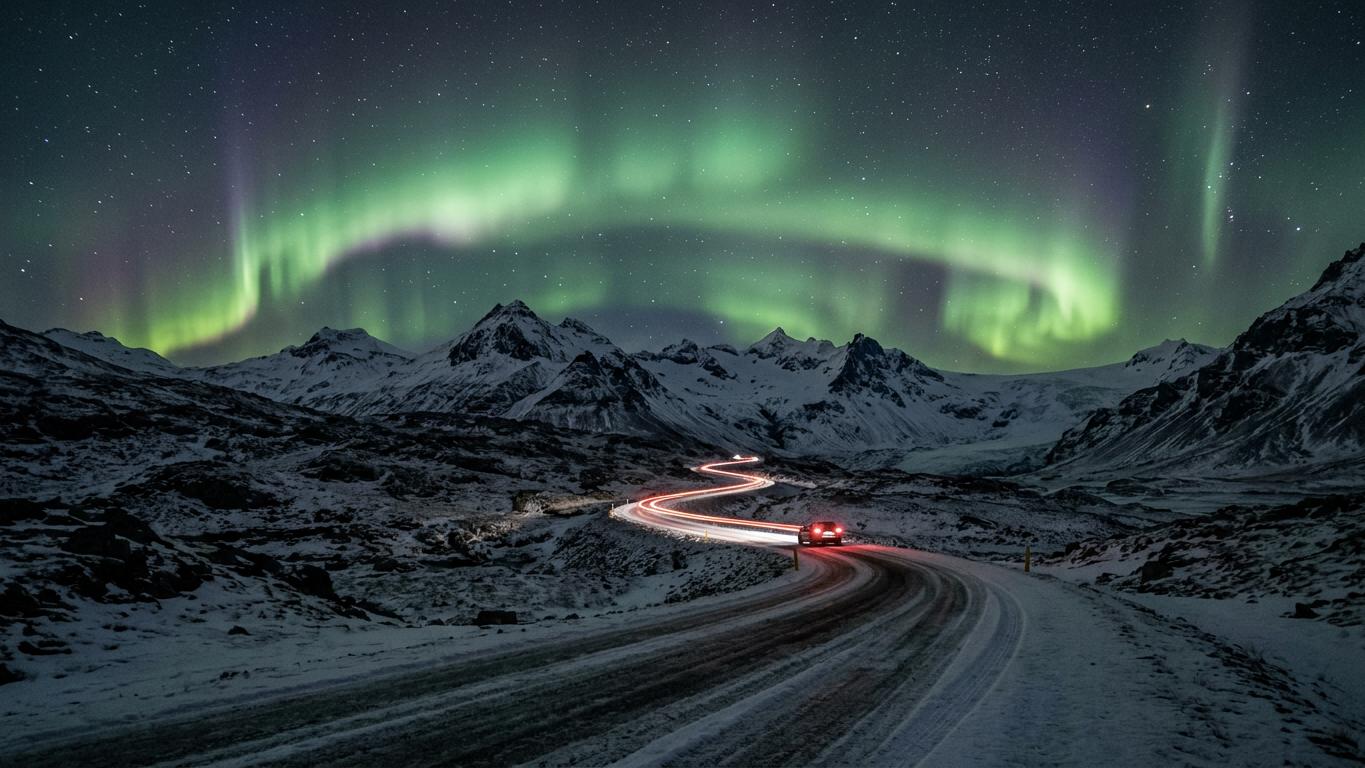
All major tour types operate throughout February, giving you extensive choice regardless of budget or preferences. Standard bus tours accommodate larger groups and represent the most budget-friendly option, while super jeep tours access remote highland tracks that remain snow-covered in February.
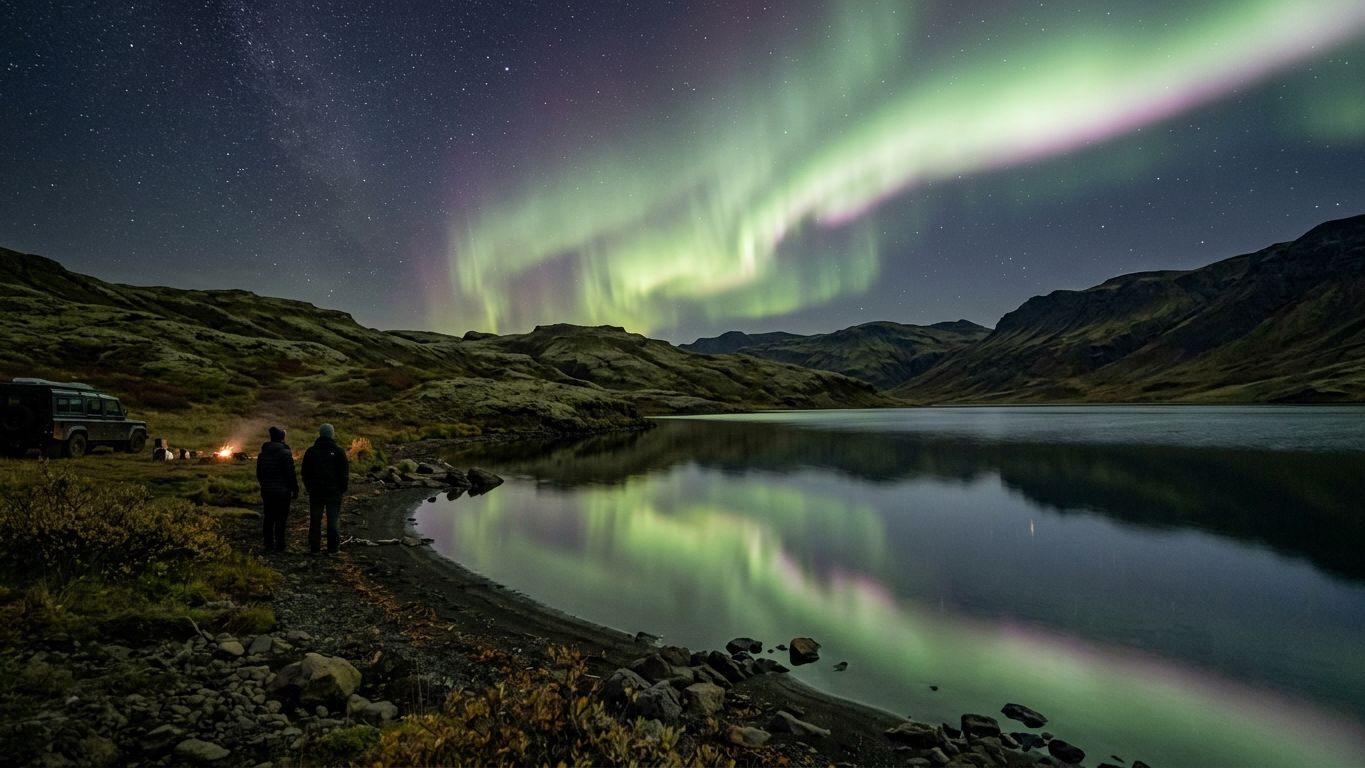
Tour operators adjust routes based on real-time forecast data, often driving 45 minutes to two hours from Reykjavik to reach clearer skies. Common destinations include Thingvellir National Park, which lies about 45 minutes northeast and offers minimal light pollution, and various spots along the south coast where coastal weather can differ from conditions in the capital area.
February conditions make small group tours particularly appealing, as groups of 10 to 19 passengers allow faster decision-making when chasing breaks in the clouds. Private tours offer maximum flexibility, with dedicated guides who can extend or shorten the hunt based on conditions and your preferences.
For photographers, specialized photography tours provide tripod use, camera settings assistance, and longer stops at prime locations. Some operators combine aurora hunting with daytime activities in multi-day packages that maximize your chances across several nights while also exploring Iceland's winter landscape.
What to Wear and Pack
Layering is essential for February aurora tours, as you will spend extended periods standing outside in sub-zero temperatures and wind. A thermal base layer, insulating mid-layer, and waterproof windproof outer shell form the foundation of effective cold-weather clothing.
Your extremities need particular attention. Insulated waterproof boots rated for -20°C or colder prevent heat loss through your feet during long viewing stops. Wool or synthetic thermal socks, worn with liner socks, manage moisture while maintaining warmth. A warm hat covering your ears, insulated gloves or mittens, and a scarf or neck gaiter protect exposed skin from wind and cold.
Most tour operators provide blankets and warm drinks, though some premium vehicles offer heated seating. Bring spare gloves if you plan to operate a camera, as handling equipment requires removing your hands from protection. Hand and toe warmers can extend your comfort during particularly cold nights.
Daylight Activities in February
February offers substantial daylight for sightseeing between aurora hunts. The Golden Circle route takes about six to seven hours and includes Thingvellir National Park, Geysir geothermal area, and Gullfoss waterfall, all accessible in winter conditions.
South coast tours reach black sand beaches at Reynisfjara, Skogafoss and Seljalandsfoss waterfalls, and ice formations along glacial margins. Road conditions require caution, and some highland roads remain closed until May, but the main Ring Road and major tourist routes stay open with regular maintenance.
February also hosts cultural events in Reykjavik, including the Winter Lights Festival during the first week, which combines museums, galleries, pools, and outdoor light installations celebrating winter. The extra daylight compared to December and January makes combining daytime exploration with evening aurora hunting more practical.
Understanding Your Chances
No tour can guarantee aurora sightings, as the lights depend on solar activity, cloud cover, and geomagnetic conditions that remain unpredictable more than a day or two in advance. February offers good statistical probability, but individual nights vary enormously.
Most operators offer free rebooking if the aurora does not appear during your tour, though policies vary by company and you need to check specific terms when booking. The aurora forecast combines KP index predictions with cloud cover models, giving you the best available planning tool.
Staying multiple nights dramatically improves your overall chances. Three to five nights in Iceland during February gives you flexibility to choose the clearest evening for a tour, or to attempt multiple hunts if conditions remain challenging. Some visitors combine a Golden Circle and northern lights tour to maximize a single day, though these combination tours typically offer shorter aurora viewing periods.
Frequently asked questions
What are the chances of seeing the northern lights in Iceland in February?
February offers strong chances due to long darkness hours and the heart of the aurora season. Visibility depends on cloud cover and solar activity, which vary night by night. Statistics suggest roughly 60 to 70 percent success rates across multiple nights when weather cooperates, though no single night can be guaranteed.
How cold is Iceland in February for northern lights tours?
Temperatures typically range from -5°C to 3°C during evening tours, though wind chill can make conditions feel much colder. Coastal areas like Reykjavik tend to be milder than inland locations. Most tours last three to five hours, so proper layering and insulated waterproof gear are essential for comfort during viewing stops.
Is February better than January or March for seeing the aurora in Iceland?
February balances long darkness with gradually improving weather patterns as winter progresses. January offers slightly more darkness but often brings harsher storms, while March has better weather but shorter nights. All three months fall within peak aurora season, and the best choice depends on your tolerance for cold and your schedule flexibility.
Can you see the northern lights from Reykjavik in February?
Yes, the aurora can appear over Reykjavik in February during strong displays, though city light pollution reduces visibility. Most tours drive 30 to 90 minutes outside the capital to reach darker skies and better viewing conditions. Staying in Reykjavik still allows you to join tours while accessing urban amenities and daylight activities.
What should I wear on a northern lights tour in Iceland in February?
Wear thermal base layers, insulating mid-layers like fleece or down, and waterproof windproof outer shells. Insulated boots rated for -20°C, wool socks, a warm hat, insulated gloves, and a neck gaiter are essential. Tours involve standing outside for extended periods, so dress warmer than you think necessary and bring spare gloves if handling camera equipment.
How many hours of darkness does Iceland have in February?
Iceland has roughly 10 to 12 hours of darkness suitable for aurora viewing in February. Early in the month, darkness runs from about 19:00 to 08:00, while late February offers viewing from 20:00 to 07:30 as daylight increases. This provides ample time for tours, which typically last three to five hours during the prime evening window.
Do northern lights tours run every night in February in Iceland?
Yes, most operators schedule tours every evening during February, though departures may be cancelled if weather conditions make aurora viewing impossible or travel unsafe. Tour companies monitor the aurora forecast throughout the day and typically notify passengers by late afternoon if conditions require cancellation or route changes.
What is the best northern lights tour from Reykjavik in February?
The best tour type depends on your budget, group size preferences, and flexibility needs. Standard bus tours suit budget-conscious travellers, while small group tours offer more personal experiences. Super jeep tours access remote locations despite snow, and private tours provide maximum flexibility for adjusting to changing conditions throughout the evening.